showSidebars ==
showTitleBreadcrumbs == 1
node.field_disable_title_breadcrumbs.value ==

Message from the Senior Director

At SMU, we are committed to excellence in every facet of the student journey. Academic Services & Operations (ASO) is dedicated to delivering the best possible experience for our undergraduate and postgraduate students. 

ASO’s Office of Admissions & Financial Assistance works tirelessly to select the brightest minds who will make valuable contributions to our vibrant academic community, while ensuring accessibility and affordability. 

The Office of Registrar plays a crucial role in ensuring a smooth academic journey for our students, from course registration to degree conferral. In today’s dynamic job market, the importance of career guidance and support cannot be overstated. 

The Dato’ Kho Hui Meng Career Centre offers a range of resources, from internship opportunities to interview preparation, to ensure our students are future-ready and prepared for successful careers. 

The Centre for Global Education & Opportunities opens doors to the world for our students to broaden their horizons and be good global citizens by way of exchange programmes and other global exposure.

Please feel free to explore this website to learn more about the services the ASO group offers and how we can support your student journey.

We are here to serve you and make your time at SMU as enriching as possible. For feedback, partnerships & collaborations across the student academic life cycle, do reach us at aso@smu.edu.sg.

Dr Navin Rajagobal
Academic Services & Operations

The Academic Services & Operations Group

ASO Group Events

See other university’s signature events at a glance.

Photo Gallery

SHAPING IMPACT,
TRANSFORMING LIVES

Chairman's
Message

The world is changing at speed. For universities, standing still is not an option. It may be tempting to chase every new idea or react to every passing trend. Yet strong leadership lies in rootedness, in our mission, values, and purpose — even as we adapt with agility to what the world demands. 

With the same pioneering spirit that has defined the institution since its founding, SMU2030 charts a clear course for the future. Its pillars of Education, Research, and Partnerships are the levers through which we create meaningful, real-world impact. 

The strategies outlined herein set out what we want to achieve — but it is culture that determines how we will succeed. If we nurture a culture that is agile, collaborative, and impact-driven, SMU2030 will not remain words on a page; it will become a living commitment. 

For Singapore Management University (SMU), clarity of purpose means preparing graduates who are agile and adaptive, advancing research that addresses society's most pressing challenges, and forging partnerships that make a difference for Singapore, Asia, and the world. 

The Board of Trustees and I stand firmly behind this plan. Now it is up to every member of the SMU community — faculty, staff, students, alumni, and partners — to take ownership of it. 

Rooted in purpose, and with confidence in direction, we can shape impact and transform lives together.

Mr. Piyush Gupta
Chairman

SMU Board of Trustees
 

President's
Message

As SMU marks its 25th Anniversary, the world around us is changing rapidly. Shifting geopolitical dynamics, accelerating technological disruption, changing demographics, and rising societal expectations are reshaping the higher education landscape, making it more competitive and complex than ever.

In this environment, SMU must take deliberate steps to meet evolving industry and employer needs, and to respond to the growing demand for research that delivers real-world impact and thought leadership on society's most pressing challenges.

The SMU2030 Strategic Plan charts SMU's path for the next five years, driven by a purposeful impact agenda, focused on four domains vital to national and regional advancement: Human Capital Development, Knowledge Creation, Economic Development, and Social and Community Life. To deliver on this ambition, we will continue to build on our Education, Research, and Partnerships, supported by key enablers: Talent, Financial Resources, Digital Infrastructure, Physical Infrastructure, and Brand and Reputation.

We will continue to nurture agile and adaptive graduates who can thrive in a rapidly changing world, driving positive change through innovative insights and solutions, while grounded in ethics and social responsibility.

We will pursue research that addresses complex real-world challenges that span across our strategic priorities (Digital Transformation, Sustainable Living and Growth in Asia), enhancing the University's academic reputation and contributing to meaningful societal impact.

And we will forge partnerships that enable and support education and research objectives, expand learning opportunities, facilitate collaborations to address societal challenges, create knowledge transfer to benefit society, drive innovations and create real-world impact.

As we embark on this next chapter together, I invite the SMU community to be intentional in our quest to make a positive difference within and beyond academia.

Together, we will build a university of impact – one that empowers people, advances knowledge, and uplifts communities across generations.

Professor Lily Kong
President
 

Our Refreshed
Vision and Mission

Launched in January 2025 at the onset of SMU's 25th anniversary, our Vision statement embraces our roots in Asia while engaging globally; celebrates our city location as an asset; claims the space at the nexus of management, social sciences and technology; foregrounds our DNA in driving innovations and transcending boundaries; and ultimately, declares our aspirations to transform lives. Our Mission statement spells out how we will do so, through Education, Research and Partnerships.

VISION

Asia's premier global city university

At the nexus of management, social sciences and technology

Driving innovations, transcending boundaries, transforming lives

Mission

Nurture a community of independent lifelong learners and change agents

Enable world-class researchers to address societal challenges

Harness partnerships to serve as gateway between Asia and the world

Transform lives to  create sustainable futures

Our Impact
Agenda

The SMU2030 Strategic Plan is anchored on a clear and purposeful impact agenda. It is underpinned by a strong commitment to evidencing the impact of each initiative, capturing the deliberate and measurable ways in which communities, economies, and societies are transformed.

Our impact framework is defined through four key domains:

Human Capital Development

SMU's distinctive education model aims to develop graduates who are future-ready, globally attuned, and socially conscious.

Impact is reflected in graduate outcomes, such as strong employment rates, career progression, salary growth, and graduates' achievements across business, government, and society.

Knowledge Creation

SMU's research advances the frontiers of academia and knowledge, contributing to a deeper understanding of complex societal challenges.

Impact is demonstrated through the production of high-quality scholarly work and its accessibility, relevance and application to broader audiences, including policy communities, industry, and the wider public.

Economic Development

SMU contributes to sustainable economic growth through research, innovation, entrepreneurship, and education that influence business practices, catalyse technological change and adoption, improve productivity, and stimulate the development of new products and services.

Impact is evidenced by policy and practice changes, business support initiatives, and commercialisation outcomes, such as technology transfer, startup incubation, patents, and licences.

Social and  Community Life

SMU enhances social well-being and cultural vibrancy through research, service, environmental and cultural activities that are responsive to societal needs. 

Impact is realised through initiatives that help shape public policy, strengthen social resilience, and improve the quality of life in communities.

SMU2030
Strategic Plan

To realise our impact aspirations, the SMU2030 Strategic Plan comprises three strategies under each of three pillars: Education, Research, and Partnerships. Each strategy is delivered through a range of strategic initiatives.

The Strategic Plan also spells out initiatives as part of five enablers: Talent, Financial Resources, Digital Infrastructure, Physical Infrastructure, as well as Brand and Reputation.

VISION

Asia's premier global city university

At the nexus of management, social sciences and technology

Driving innovations, transcending boundaries, transforming lives

MISSION
  • Nurture a community of independent lifelong learners and change agents
  • Enable world-class researchers to address societal challenges
  • Harness partnerships to serve as gateway between Asia and the world
  • Transform lives to create sustainable futures
IMPACT
  • Human Capital Development
  • Knowledge Creation
  • Economic Development
  • Social and Community Life
PRIORITIES
  • Digital Transformation
  • Sustainable Living
  • Growth in Asia
STRATEGIES

EDUCATION

In a world of technological disruptions and longer lifespans
1
Develop distinctive graduate qualities across all segments (Undergraduate, Postgraduate Professional, Postgraduate Research and Professional & Continuing Education)
2
Drive innovation in pedagogy, andragogy, curricula, and co-curricula to strengthen distinctive graduate qualities
3
Strengthen lifelong learning across all segments

RESEARCH

In a world that needs solutions from the best ideas
1
Invest in academic and translational research to address three societal challenges (Sustainable Cities, Resilient Workforces and Longevity Societies & Economies)
2
Implement a research assessment framework that recognises academic and societal impact 
3
Forge collaborations across academia, government, and industry to harness data and AI technologies

PARTNERSHIPS

In a world made stronger with collaborations
1
Deepen SMU's presence in key Asian cities through a three-tier approach
2
Forge regional and international partnerships for talent development and knowledge creation with the academic community, 3P (Public, Private, and People) sectors, and multipliers
3
Create strategic value for high-impact partners by effectively bringing the world to Asia and bringing Asia's story to the world

Education

Desired Impact

SMU's Education prepares graduates that the world needs: they are agile and highly adaptive in an ever-changing world; they are driven to advance positive change across industries, communities and societies; they deliver innovative insights and solutions, while grounded in ethics and social responsibility.

Summary of Education Strategies

The first education strategy identifies the 'what' that is desired of SMU graduate qualities, while the second and third education strategies delve into the 'how' of delivering those qualities.

Education Strategies and Strategic Initiatives (SIs)

1
Develop distinctive graduate qualities across all segments (Undergraduate, Postgraduate Professional, Postgraduate Research and Professional & Continuing Education)
Undergraduate Education: Develop Changemakers
  • Graduates who are self-directed and agile, with an informed worldview and a strong sense of purpose
Postgraduate Professional Education: Develop Practice-Oriented Leaders
  • Graduates who are career-agile professionals with applied expertise, interdisciplinary perspectives, and purpose-driven leadership
Postgraduate Research Education: Develop Knowledge Creators and Thought Leaders
  • Graduates who are career-agile researchers with intellectual depth, impact-driven inquiry mindsets and interdisciplinary perspectives who contribute to knowledge, as well as economic and societal progress 
Professional Continuing Education: Develop Lifelong Learners and Agile Professionals
  • Graduates who are self-directed, industry-relevant lifelong learners equipped to thrive in evolving industries
2
Drive innovation in pedagogy, andragogy, curricula, and co-curricula to strengthen distinctive graduate qualities
Undergraduate Education
SI 1

Empower self-directed learning through personalised and flexible approaches

SI 2
Strengthen interdisciplinary learning and collaborative agility
SI 3
Cultivate a broad and global outlook, enriched by Asian perspectives
SI 4
Embed purpose and societal impact into the UG journey 
Postgraduate Professional Education (PGP)
SI 5
Strengthen applied expertise through interdisciplinary learning
SI 6
Enhance career agility through immersive, work-integrated learning
SI 7
Deepen purpose-driven leadership through values and mentorship
Postgraduate Research Education (PGR)
SI 8
Deepen intellectual rigour and interdisciplinary research capabilities
SI 9
Advance impact-driven inquiry and societally relevant research
SI 10
Strengthen career agility and global engagement
Professional & Continuing Education (PCE)
SI 11
Strengthen career agility through flexible, future-focused and industry-relevant learning
SI 12
Advance self-directedness and lifelong learning through stackable and flexible pathways
3
Strengthen lifelong learning across all segments
SI 13
Enable seamless lifelong learning through digital platforms, early access to PCE and common experiences across education segments

Research

Desired Impact

SMU's Research addresses complex real-world challenges, with cutting-edge work that enhances the University's academic reputation and contributes to societal impact, including economic competitiveness, societal resilience, and sustainable and inclusive futures. 

Summary of Research Strategies

The first research strategy identifies what societal challenge areas we will strengthen capability in, delivering insights that contribute to impact. The second focuses on how we will guide faculty in striving for academic and societal impact. The third seeks to support our faculty and researchers to achieve our collective ambitions through data access and AI technologies.

Research Strategies and Strategic Initiatives (SIs)

1
Invest in academic and translational research to address three societal challenges: Resilient Workforces, Longevity Societies & Economies and Sustainable Cities
SI 1
Establish SMU as a leader in research on the Future of Resilient Workforces 
SI 2
Establish SMU as a leader in research on the Future of Longevity Societies and Economies 
SI 3
Establish SMU as a leader in research on the Future of Sustainable Cities 
2
Implement a research assessment framework that recognises academic and societal impact
SI 4
Develop and implement an Integrative Research Impact Framework
3

Forge collaborations across academia, government, and industry to harness data and AI technologies

SI 5
Leverage data and AI for research

Partnerships

Desired Impact

SMU's Partnerships support education and research, expanding learning opportunities, facilitating collaborations to address societal challenges, enabling knowledge transfer to benefit society, driving innovations, and creating real-world impact. In so doing, they enhance students' readiness, advance research, drive revenue, and strengthen reputation. They undergird SMU's convening power as a knowledge gateway within Asia as well as between Asia and the world.

Summary of Partnerships Strategies

The first strategy focuses our minds on how we engage Asia, the vast continent within which we are located. The second turns attention to the types of engagement partners, and the third to how we can be of value to our partners. 

Partnerships Strategies and Strategic Initiatives (SIs)

1
Deepen SMU’s presence in key Asian cities through a three-tier approach
Tier 1 – Deepen Strategically

Key Countries: Indonesia, Thailand, Vietnam, China, India

SI 1
Increase opportunities for students to strengthen their understanding and experience of key Asian cultures and markets
SI 2
Strengthen SMU's knowledge and expertise in these countries through research collaborations with academia and 3P partners
SI 3
Develop and implement Overseas Centre plans for existing and new centres, as part of country strategies
SI 4
Deepen relationships with existing International Advisory Councils (IACs) and establish the India IAC
Tier 2 – Nurture Selectively

Key Countries: Philippines, Malaysia, South Korea, Japan

SI 5
Strengthen SMU's Tier 2 market presence through differentiated regional engagement, by expanding PG and PCE in the Philippines and Malaysia, and exploring research collaborations in South Korea and Japan
Tier 3 – Explore Nimbly

Key Countries: Middle East

SI 6
Expand PCE presence through collaborations and partnerships with local/regional organisations and state-owned enterprises
2
Forge regional and international partnerships for talent development and knowledge creation with the academic community, 3P (public, private, and people) sectors, and multipliers
SI 7

Cultivate partnerships and networks with universities, industry and community organisations to provide students with real-world learning experiences and enhance their global outlook, career preparedness and capacity for social impact

SI 8
Cultivate partnerships and networks with leading universities, research agencies, government bodies, industry players and international organisations to enable joint grants, data access, fellowships and co-authored publications, and enhance SMU's external influence
SI 9
Cultivate partnerships and networks with leading universities, industry partners and  philanthropists/foundations to diversify and increase revenue streams, through PGP and PCE programmes, and gifts
SI 10

Cultivate partnerships and networks with international organisations, regional organisations, and alumni to amplify SMU's thought leadership, thereby strengthening SMU's visibility and reputation

3
Create strategic value for high-impact partners by effectively bringing the world to Asia and bringing Asia's story to the world
SI 11

Position SMU as a gateway to Asia through immersive learning programmes focused on Asia for learners from beyond, with SMU as trusted guide and regional expert; and through enabling research collaborations across regions

SI 12
Curate and disseminate SMU's research and expertise on Asia in accessible ways to amplify impact

P

Enablers

To further support SMU2030, targeted enabling initiatives will be implemented across the following five areas: 

Talent

Prioritise the attraction, development, and retention of world-class faculty, researchers, teaching instructors, and highly experienced administrative staff

SI 1

Strengthen the faculty pipeline and enhance research capacity

SI 2

Strengthen talent and career development and succession planning for faculty and administrative staff

Financial Resources

Maintain a sustainable financial base that supports SMU's planned vision and mission

SI 3

Ensure financial sustainability through revenue growth, cost optimisation, and disciplined financial management

Digital Infrastructure

Implement a strategic and integrated digital modernisation agenda to remain competitive and future ready

SI 4

Leverage innovation-enabling technologies to strengthen teaching, learning, research and service delivery

Physical Infrastructure

Refresh SMU's campus environment by constructing new facilities to support fresh academic pursuits

SI 5

Refresh the campus environment to optimise space efficiency, modernise facilities and strengthen collaboration

SI 6

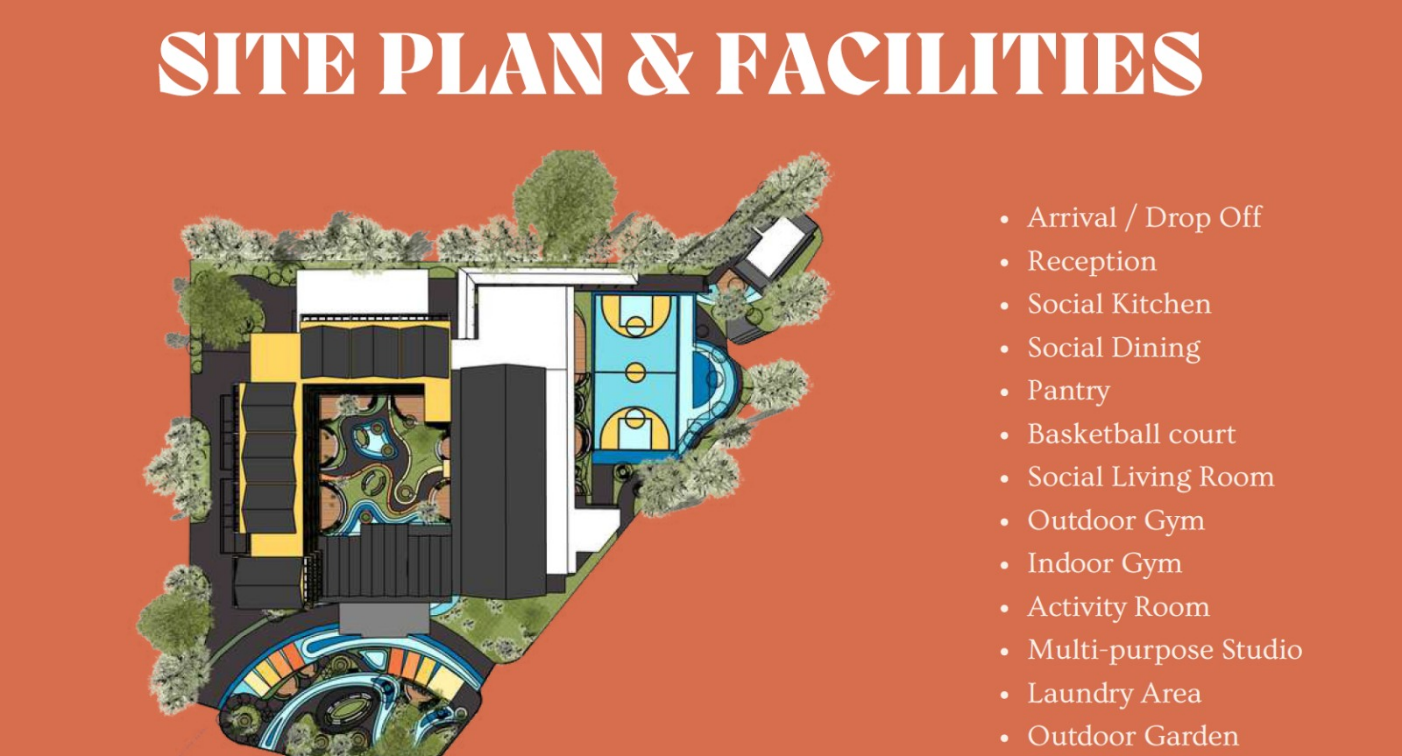
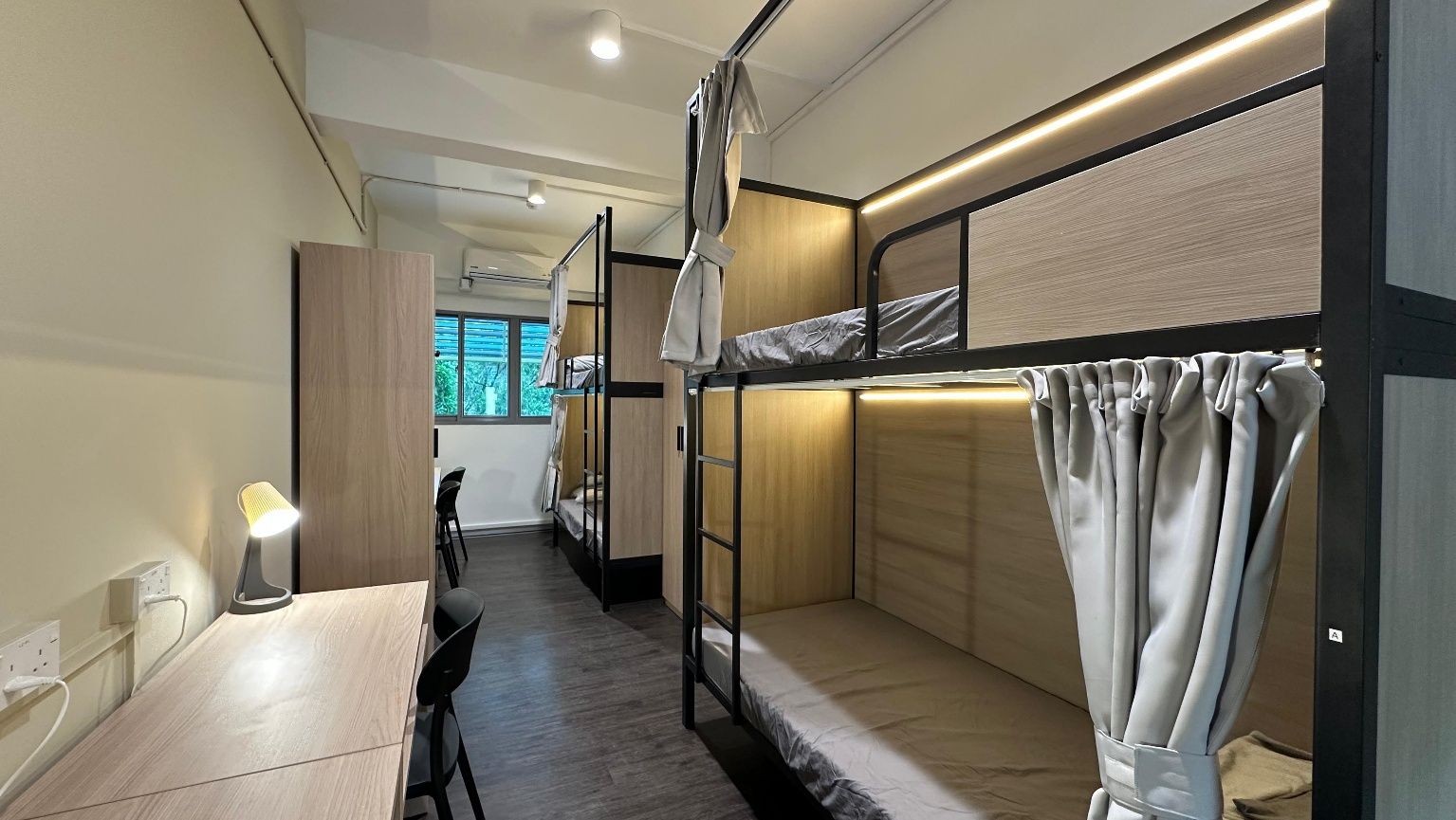
Develop a new integrated residential and recreational facility

Brand and Reputation

Celebrate SMU's legacy of transformative impact while establishing a strong foundation for growth

SI 7

Implement a new branding agenda 

SI 8

Strengthen SMU's voice in ASEAN, China and India 

Our Commitment
to Impact

To make SMU's impact more intentional, visible, and widely felt, the University is making deliberate efforts to track, evidence, and measure the impact of its initiatives. SMU will develop systematic documentation of results, establish ways to measure progress, and amplify the University's positive influence.

Tracking progress entails monitoring the inputs, outputs, and outcomes that are precursors to impact.

Input

Resources used to support our activities in education, research and partnerships, such as student intake and research grants

Output

The direct products from our activities, such as number of graduates and publications

Outcome

The short-to-medium-term consequential effects arising from outputs, such as employment rates and citation counts

Impact

The long-term, broader effect on a larger and more sustained scale

Together, they allow us to track progress and demonstrate the value of an initiative.  They form a 'results' or 'value' chain from input to ultimate economic and/or societal benefit.

Download the 
SMU 2030 Compendium

“We will continue to strengthen our DNA as an innovative and impactful university — to drive bold ideas and derive big impact.”

Professor Lily Kong
President

The new SMU Connexion (SMUC) building is located between SMU’s School of Accountancy and School of Law. The new building added 8,565.94 m² of teaching-and-learning space to SMU’s city campus.

It enables seamless connectivity through the entire SMU city campus, as well as provides a sheltered link (aboveground and underground) from Bras Basah Road leading to Fort Canning and Armenian Street.

Besides enhancing convenience for the SMU community, it also benefits members of the public, who will have better access to the lush greenery at Fort Canning Park.

With some of the new building’s spaces and facilities being open 24/7, it also adds vibrancy to the Bras Basah precinct.

To support the University’s SMU-X pedagogy, which focuses on experiential learning through real-world projects, SMU Connexion building is designed to provide new-generation learning spaces that boast flexibility and future adaptability.

These include active learning classrooms, the bunks, collaborative zones, social pantry, jamming room, games lounge, integrated learning studios, makers space and student lounges.

The ample active learning spaces will enable students’ meetings with industry practitioners and faculty, as well as promote socialising.

About 500 m² will also be set aside as incubation spaces for start-ups to provide an environment that fosters innovation and entrepreneurship among SMU students and alumni.

Contractors Award Ceremony

Media Presentation (15 May 2015) 

Tender Award Ceremony (21 July 2015)

Construction Stage

Amphitheater & CCA

Gymnassium and Fitness Center

Teaching & Learning at Phase 1

Teaching & Learning at Phase 3

Post Completion

Campus Green

The layout and design of Campus Green will be enhanced to realise it's potential as the truly pulsating heartbeat of SMU. While preserving the existing view corridor between the National Museum and the Singapore Art Museum, activity-generating areas and infrastructure that support new lifestyle expectations, informal interaction and collaboration, as well as artistic expressions will be injected to Campus Green, while maintaining natural openness and part ambience.

Three key facilities - "The Curve" CCA area, an amphitheatre, and a fitness centre - to be introduced on Campus Green, will be primary activators that change the ground, through the day and night. Urban design features will make the SMU Campus Green active, comfortable and accessible. The development will further integrate SMU into the city and enable the University to further engage our various stakeholder groups in the larger community.

New Fitness Centre

The fitness centre will be enlarged and enhanced to meet the lifestyle habits of the millennial student, and to provide an experiential learning space to support SMU's sports curriculum. Stretching from the SMU Concourse in the basement to the Campus Green on the ground level, the Fitness Centre looks out to the heritage [correct?] Yes. Bodhi Tree and The Curve - enclosed yet feeling much like an 'outdoor' space. The Fitness Centre facade has also designed to support SMU's Greenmark Platinum status.

Creative Learning Spaces

Additional learning and teaching spaces will be created to alleviate the current space crunch and will support SMU's vision to provide transformative education for a new generation of graduates. Flexible event spaces, seminar rooms, and dedicated study areas for SMU students will inject a flow of life, ideas and knowledge into the SMU Concourse area below ground-level. These learning spaces are where new ideas are created and shared between students and faculty, and where critical thinking, collaboration and learning can take place.

Basement Concourse

SMU's basement Concourse provide a covered link to all facilities and buildings within the SMU campus in the city. Here, the introduction of a three-level fitness centre allows for the creation of new and vibrant nodal points. The design allows for the yoga, Pilates and Gymnasium (fitness centre) to be used even on weekends and will welcome more life and traffic flow in to the Concourse.

SMU is the only City Campus in Singapore and among very few in the world. It is in the heart of Singapore’s civic district. It provides a natural focal point and central gathering space for students, faculty as well as the public. There is a need to enliven the Campus through creative design and implementation of environmental features and activity-generating facilities to transform the SMU City Campus into a modern bustling central space for communal activity. And thus enhancement of Campus Green project through innovation, to create new spaces for SMU’s evolving teaching, learning & CCA needs took place with following goals and objectives:

  • Activate and create buzz on Campus Green using new design to promote and facilitate more outdoor activities for SMU community and public
  • Transform existing spaces into new trends of Teaching and Learning
  • Energize fitness and health spaces

The project was initially planned to be completed in 34 months. But after careful review of the functions of the facilities and through continuous effort on revising construction planning, the project is shortened to 20 months. This 20 months construction period is again divided in three phases to minimize impact on existing users who are using the facilities. After the project completed there will be addition in capacity of various facilities.

Award Obtained

BCA Design and Engineering Safety Excellence Award – June 2017

SCDF Fire Safety Design Excellence Award – November 2017

BCA Green Mark Platinum Stage 1 Letter of Award – November 2017

Award Participation

BCA Construction Excellence Award – October 2017

URA/DSC President Design Award – October 2017

Important Events/Visits

Visit by CDAC Chairman in Nov 2016

Kajima Celebration Lunch on 16 Dec 2016

Visit by SMU President on 3 Jan 2017

Visit by Kwa Geok Choo Committee Group on 19 Jan 2017

SMU State of University Address 2017

Date: 8 September 2017
Addressed by: SMU President, Professor Arnoud De Meyer

Official Launch of SMU Pro Bono Centre

Date: 6 October 2017
Guest-of-Honor:
Mr Chan Sek Keong, former Chief Justice and current Senior Judge at the Singapore Supreme Court
Mr Tan Chong Huat, RHT Rajan Menon Foundation Chairman

Societal Leadership Summit 2017 (ASEAN50)

Date: 6 October 2017
Guest-of-Honor: Dr. Vivian Balakrishnan

The Exterior

School of Law (Aerial view)

School of Law (Aerial view)

School of Law

School of Law
(View from Stamford Green)

Kwa Geok Choo Law Library 
(view from Stamford Green)

Kwa Geok Choo Law Library 
(view from Stamford Green)

Lower Roof

Lower Roof, School of Law

Graduate Study Lounge, Lower Roof

Level 5

Kwa Geok Choo Law Library, Level 5

Kwa Geok Choo Law Library, Level 5

Kwa Geok Choo Law Library, Level 5

Level 4

Kwa Geok Choo Law Library, Level 4

Kwa Geok Choo Law Library, Level 4

Kwa Geok Choo Law Library, Level 4

Function Lounge, Level 4

Sky Terrace (The Courtyard), Level 4

Level 3

Learning Commons 24-7, 
Kwa Geok Choo Law Library, Level 3

Learning Commons 24-7, 
Kwa Geok Choo Law Library, Level 3

Learning Commons 24-7, 
Kwa Geok Choo Law Library, Level 3

Kwa Geok Choo Law Library, Level 3

Kwa Geok Choo Law Library, Level 3

Group Study Room, Level 3

Seminar Room, Level 3

Seminar Room, Level 3

Group Study Room, Level 3

Level 1

David Marshall Moot Court, Level 1

David Marshall Moot Court, Level 1

David Marshall Moot Court, Level 1

David Marshall Moot Court, Level 1

Level B1

SMU Hall, Basement 1

SMU Hall, Basement 1

SMU Hall, Basement 1

100 Seater Seminar Room, Basement 1

Level B2

Meeting Room, Research Centre, Basement 2

Ground Breaking Ceremony (20 January 2014)

Topping Out Ceremony

KGCLL Dome Structure Completion

Construction Stage (13 June 2014 - 12 December 2016)

Aerial View

Aerial View From the Junction of Armenian Street

Site Visits

Subscribe to