






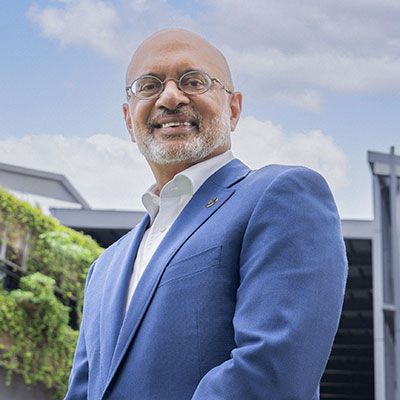

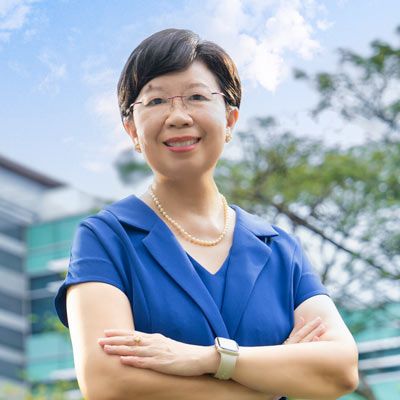










“We will continue to strengthen our DNA as an innovative and impactful university — to drive bold ideas and derive big impact.”
Professor Lily Kong
President


Ensuring that students have enriching out-of-classroom experiences and feel adequately supported are at the heart of what we do at the Co-Curriculum Development unit.
We design, coordinate & implement SMU's approach to co-curricular learning.
We design & deliver empowering co-curricular learning experiences.
We measure & document students' co-curricular learning.
We provide Student Care & Support Services.
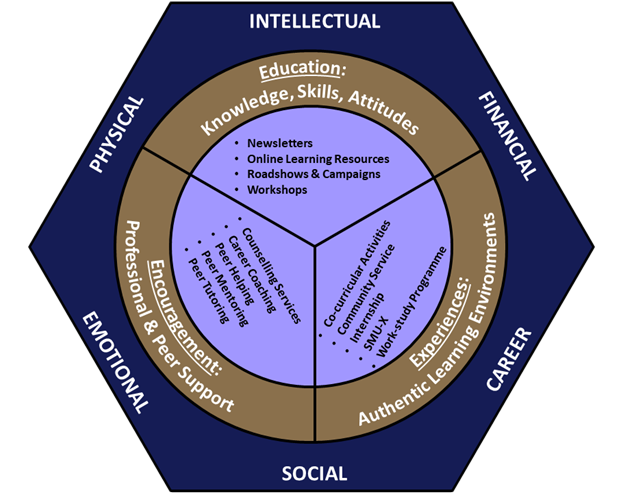
Much of the Co-Curriculum Development team’s work is undergirded by the SMU Resilience Framework.
At SMU, we adopt a proactive approach towards holistic wellbeing through developing the skill of resilience in our students. The SMU Resilience Framework aims to empower students to take charge of their own wellbeing. By doing so, the University is not only improving the likelihood of student success, but also helping students find their footing to thrive and succeed, providing a pathway to a life of flourishing.
Your SMU chapter will be unforgettable, probably amazing. Study hard, but more importantly, make the best of your resources both in and out of class. Take part, connect and step up; your capabilities will outshine what you first thought possible of yourselves.

Professor
Paulin Straughan
Dean of Students
Discover the opportunities, communities and support that shape undergraduate life at SMU, helping you learn deeply, grow confidently and make the most of your university experience.
Explore the experiences and support that enrich postgraduate life at SMU, from academic and professional growth to meaningful connections within a dynamic university community.
Singapore Management University
Administration Building Level 10
81 Victoria Street
Singapore 188065
Email: aso@smu.edu.sg
Singapore Management University
Administration Building Level 3
81 Victoria Street
Singapore 188065
Operating hours:
8:30 AM to 5:45 PM (GMT+8) Monday to Friday
Closed on Saturdays, Sundays and Public Holidays
For Tuition Fee & Non-Tuition Fee Matters, such as:
Singapore Management University
Administration Building Level 8
81 Victoria Street
Singapore 188065

Services include:
Contact Method(s)
For online matriculation and card collection
Contact Methods
Contact Method(s)
Contact Method(s)
Singapore Management University
Administration Building Level 10 & 11
81 Victoria Street
Singapore 188065

Contact Method(s)
For International Semester Exchange Programme (Outbound)
Contact Method(s)
For Short-term Study Programmes (Outbound)
Contact Method(s)
Singapore Management University
Administration Building Level 7
81 Victoria Street
Singapore 188065

For services, such as:
Contact Method(s)


For services, such as:
Contact Method(s)
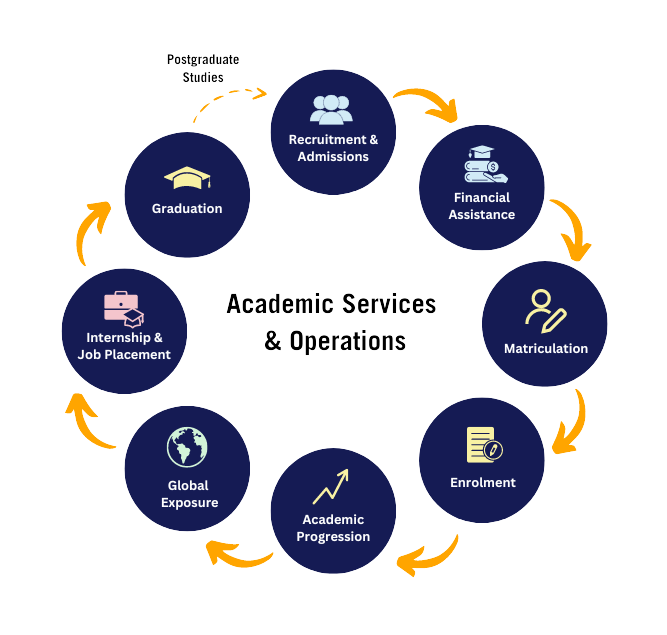
At SMU, we are committed to excellence in every facet of the student journey. Academic Services & Operations (ASO) is dedicated to delivering the best possible experience for our undergraduate and postgraduate students.
ASO’s Office of Admissions & Financial Assistance works tirelessly to select the brightest minds who will make valuable contributions to our vibrant academic community, while ensuring accessibility and affordability.
The Office of Registrar plays a crucial role in ensuring a smooth academic journey for our students, from course registration to degree conferral. In today’s dynamic job market, the importance of career guidance and support cannot be overstated.
The Dato’ Kho Hui Meng Career Centre offers a range of resources, from internship opportunities to interview preparation, to ensure our students are future-ready and prepared for successful careers.
The Centre for Global Education & Opportunities opens doors to the world for our students to broaden their horizons and be good global citizens by way of exchange programmes and other global exposure.
Please feel free to explore this website to learn more about the services the ASO group offers and how we can support your student journey.

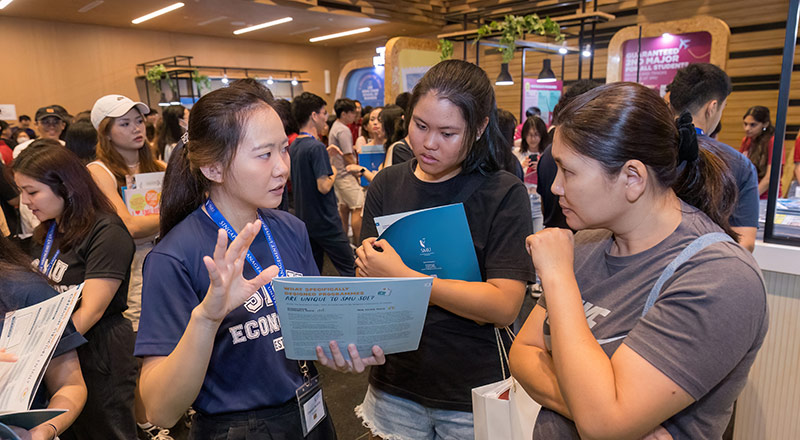
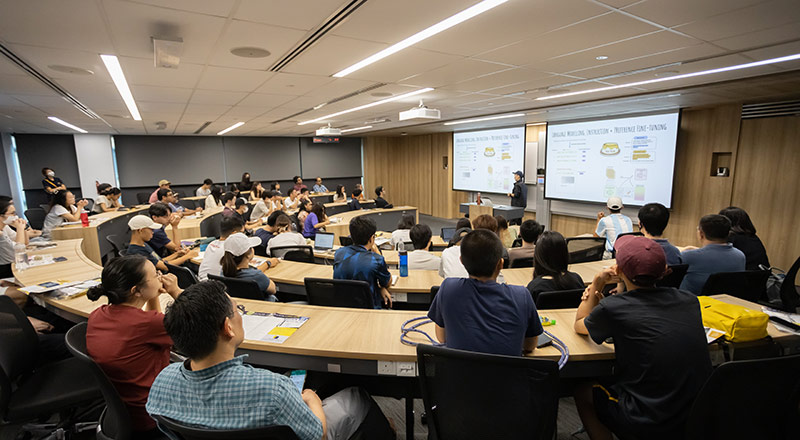
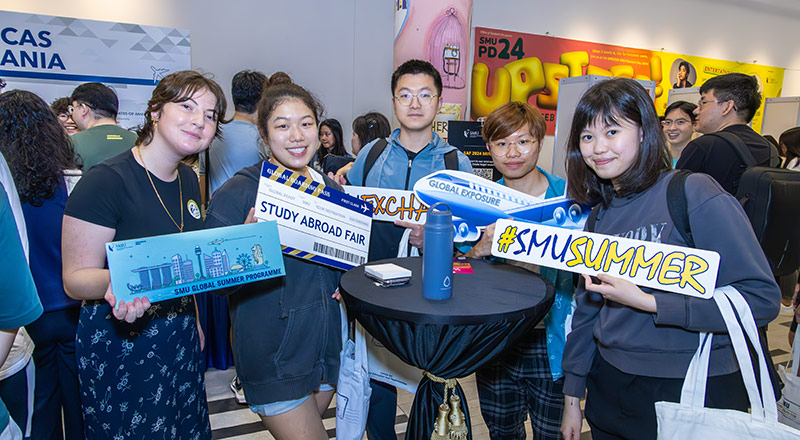
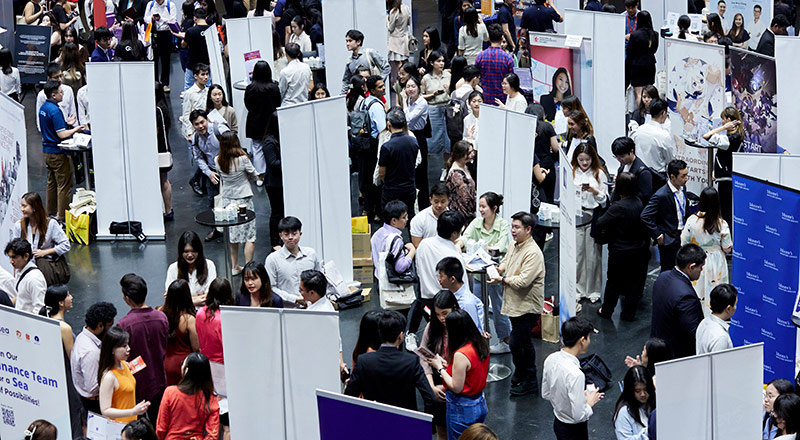
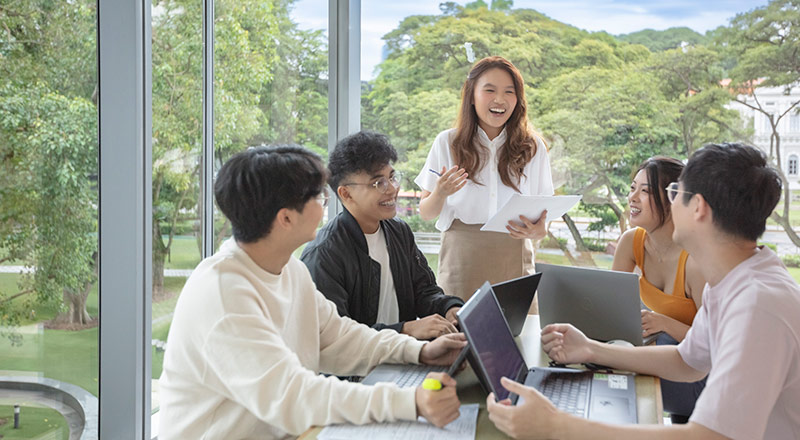
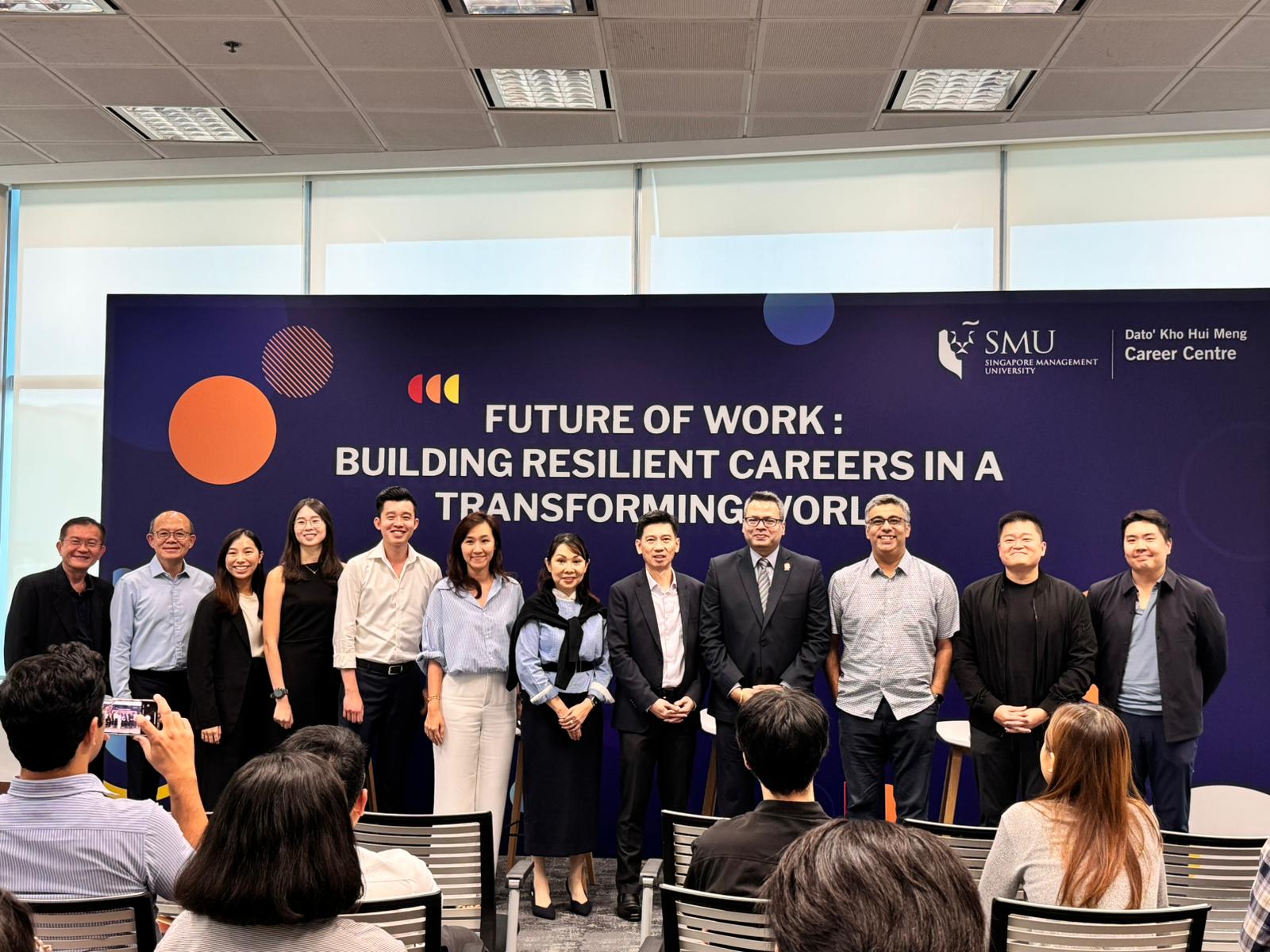
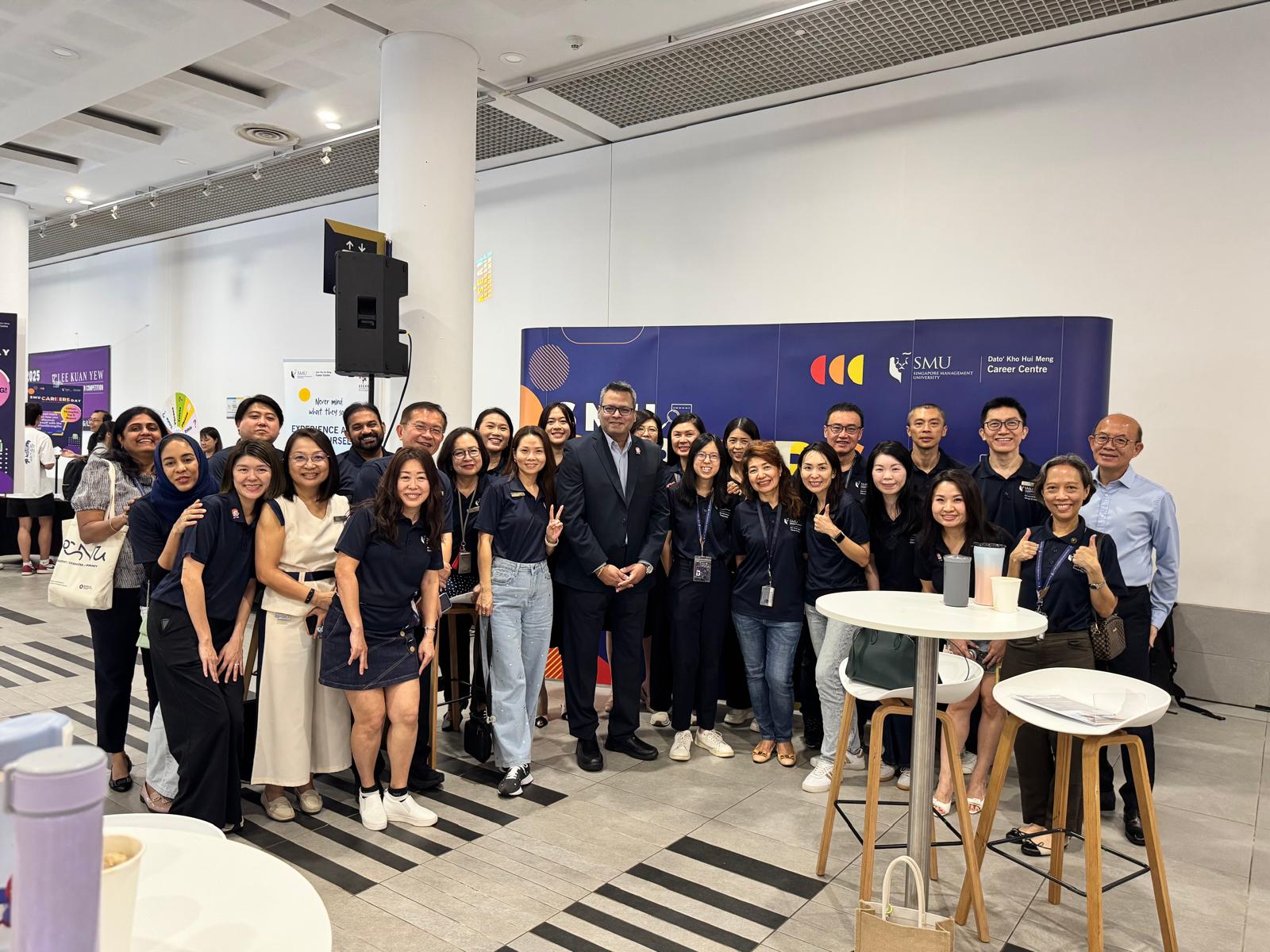

Open House Campus Tour

Open House Info Booth

Open House Sharing

Career Fair

Career Fair

Career Fair

Study Abroad Fair

Study Abroad Fair

Study Abroad Fair
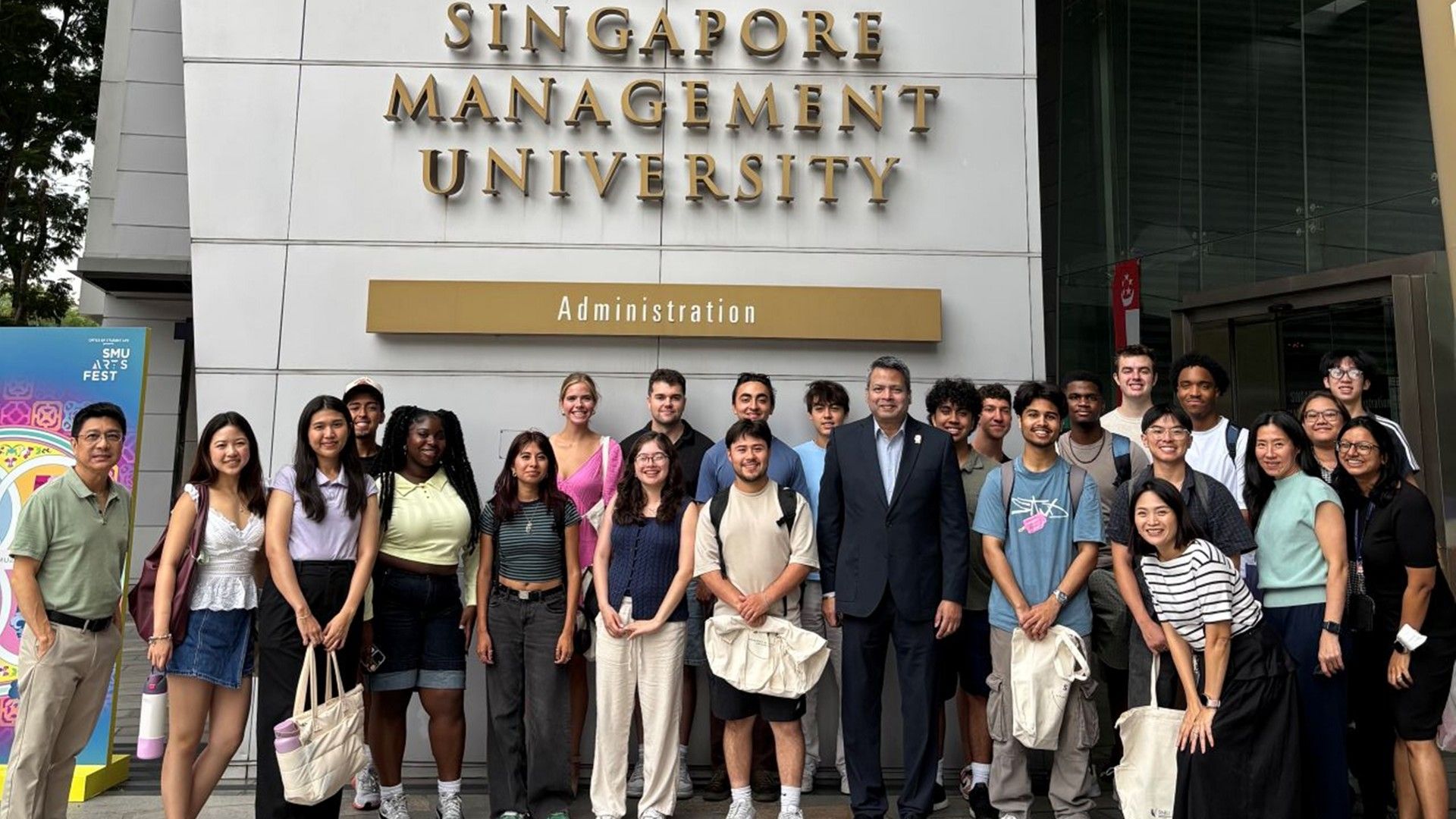
Visiting Student Programme (VSP)
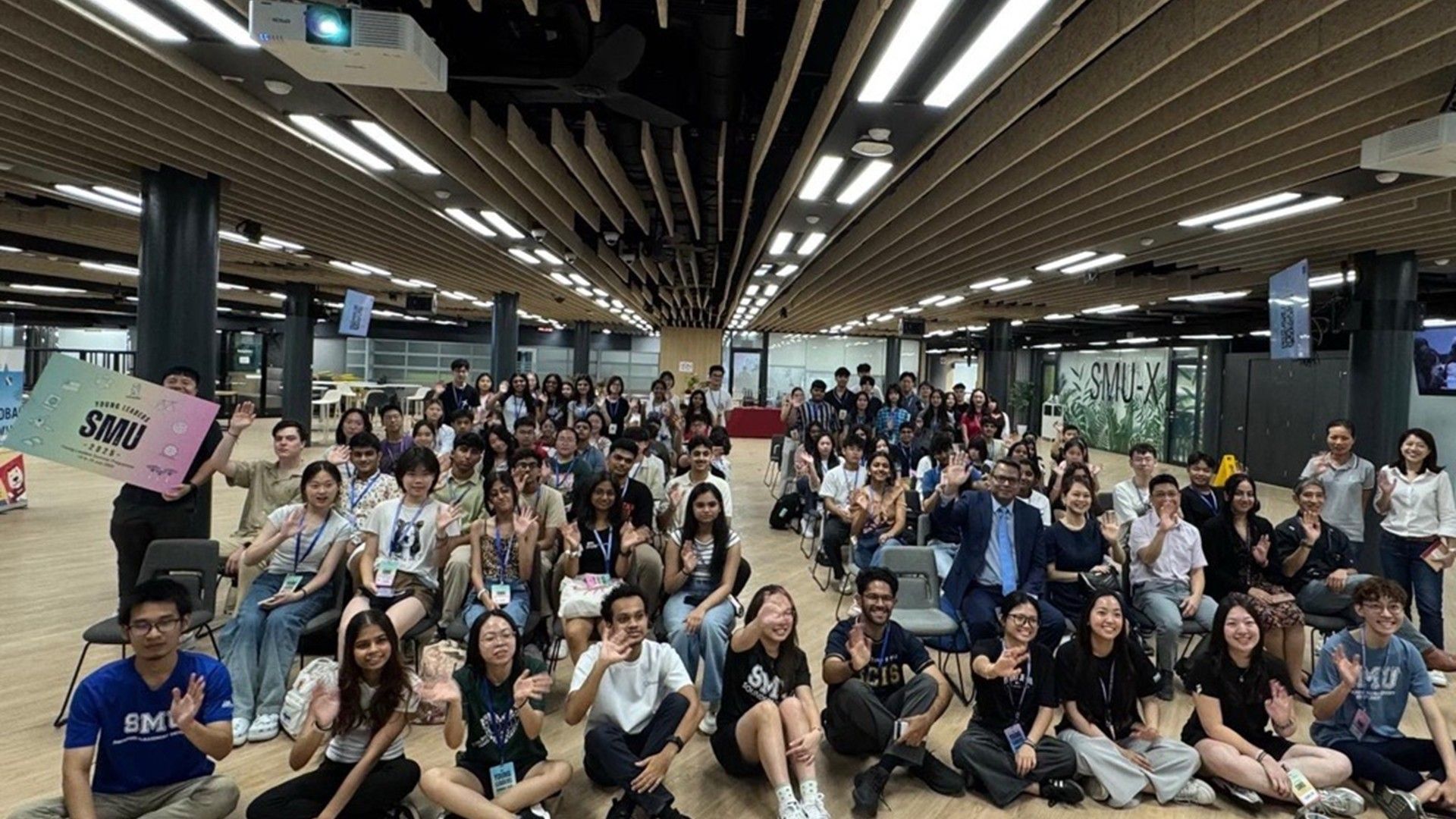
Global Summer Programme (GSP)
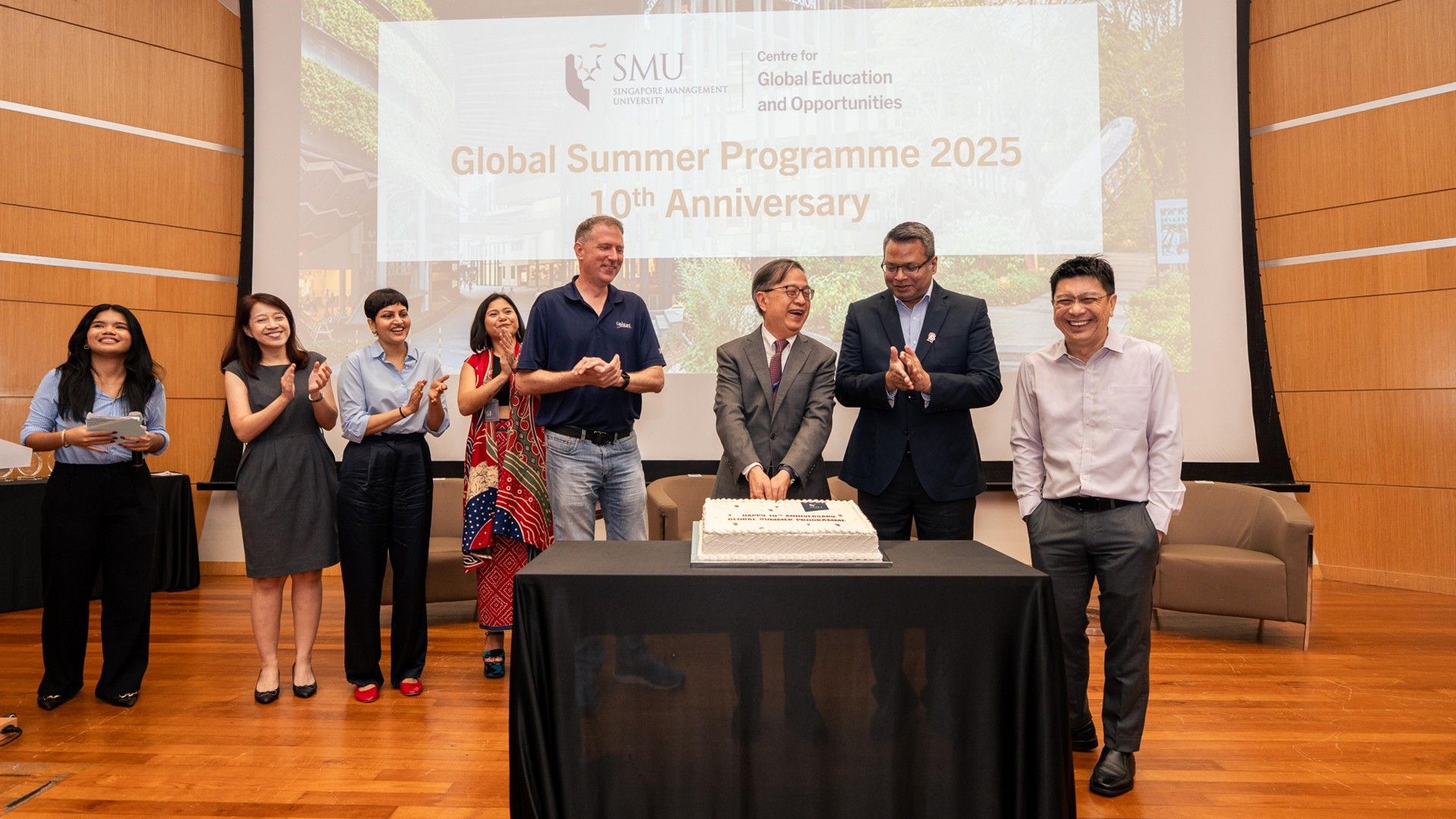
Global Summer Programme 10th Anniversary
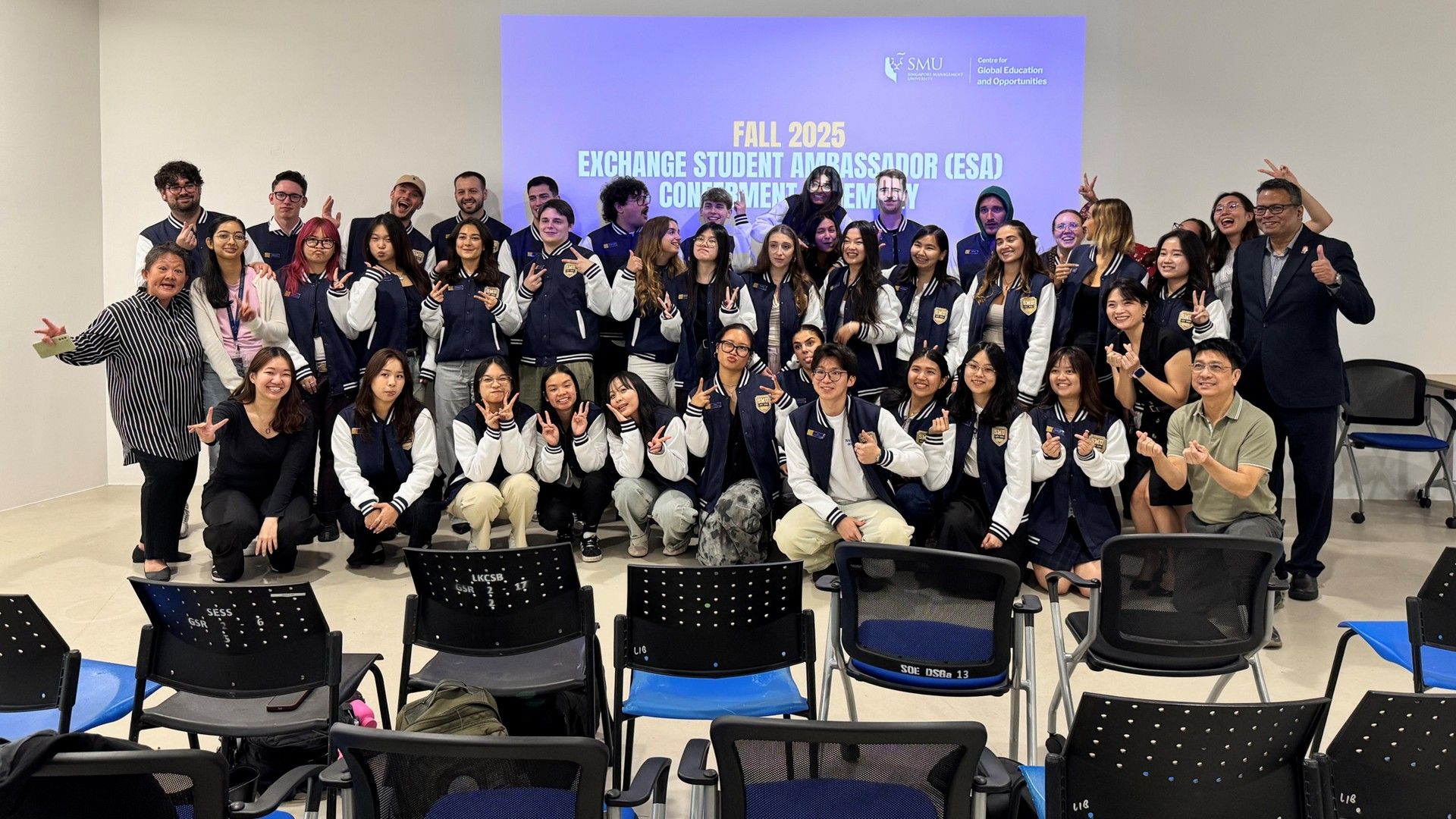
Exchange Student Ambassador (ESA) Conferment Ceremony
The new SMU Connexion (SMUC) building is located between SMU’s School of Accountancy and School of Law. The new building added 8,565.94 m² of teaching-and-learning space to SMU’s city campus.
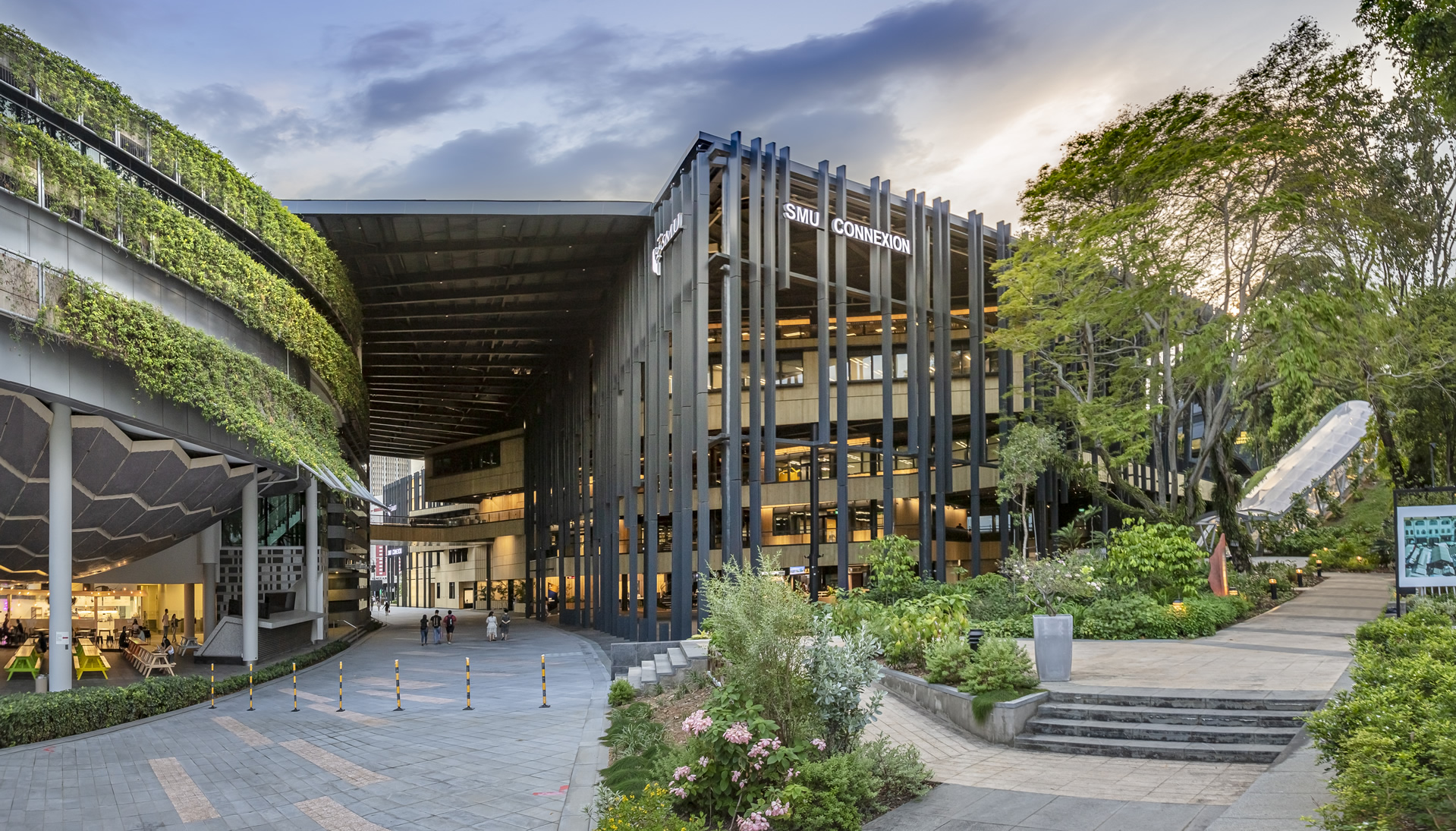
It enables seamless connectivity through the entire SMU city campus, as well as provides a sheltered link (aboveground and underground) from Bras Basah Road leading to Fort Canning and Armenian Street.
Besides enhancing convenience for the SMU community, it also benefits members of the public, who will have better access to the lush greenery at Fort Canning Park.
With some of the new building’s spaces and facilities being open 24/7, it also adds vibrancy to the Bras Basah precinct.
To support the University’s SMU-X pedagogy, which focuses on experiential learning through real-world projects, SMU Connexion building is designed to provide new-generation learning spaces that boast flexibility and future adaptability.
These include active learning classrooms, the bunks, collaborative zones, social pantry, jamming room, games lounge, integrated learning studios, makers space and student lounges.
The ample active learning spaces will enable students’ meetings with industry practitioners and faculty, as well as promote socialising.
About 500 m² will also be set aside as incubation spaces for start-ups to provide an environment that fosters innovation and entrepreneurship among SMU students and alumni.


SMU is the only City Campus in Singapore and among very few in the world. It is in the heart of Singapore’s civic district. It provides a natural focal point and central gathering space for students, faculty as well as the public.


There is a need to enliven the Campus through creative design and implementation of environmental features and activity-generating facilities to transform the SMU City Campus into a modern bustling central space for communal activity. And thus enhancement of Campus Green project through innovation, to create new spaces for SMU’s evolving teaching, learning & CCA needs took place with following goals and objectives:
The project was initially planned to be completed in 34 months. But after careful review of the functions of the facilities and through continuous effort on revising construction planning, the project is shortened to 20 months. This 20 months construction period is again divided in three phases to minimize impact on existing users who are using the facilities. After the project completed there will be addition in capacity of various facilities.
The layout and design of Campus Green will be enhanced to realise it's potential as the truly pulsating heartbeat of SMU. While preserving the existing view corridor between the National Museum and the Singapore Art Museum, activity-generating areas and infrastructure that support new lifestyle expectations, informal interaction and collaboration, as well as artistic expressions will be injected to Campus Green, while maintaining natural openness and part ambience.
Three key facilities - "The Curve" CCA area, an amphitheatre, and a fitness centre - to be introduced on Campus Green, will be primary activators that change the ground, through the day and night. Urban design features will make the SMU Campus Green active, comfortable and accessible. The development will further integrate SMU into the city and enable the University to further engage our various stakeholder groups in the larger community.
The fitness centre will be enlarged and enhanced to meet the lifestyle habits of the millennial student, and to provide an experiential learning space to support SMU's sports curriculum. Stretching from the SMU Concourse in the basement to the Campus Green on the ground level, the Fitness Centre looks out to the heritage [correct?] Yes. Bodhi Tree and The Curve - enclosed yet feeling much like an 'outdoor' space. The Fitness Centre facade has also designed to support SMU's Greenmark Platinum status.
Additional learning and teaching spaces will be created to alleviate the current space crunch and will support SMU's vision to provide transformative education for a new generation of graduates. Flexible event spaces, seminar rooms, and dedicated study areas for SMU students will inject a flow of life, ideas and knowledge into the SMU Concourse area below ground-level. These learning spaces are where new ideas are created and shared between students and faculty, and where critical thinking, collaboration and learning can take place.
SMU's basement Concourse provide a covered link to all facilities and buildings within the SMU campus in the city. Here, the introduction of a three-level fitness centre allows for the creation of new and vibrant nodal points. The design allows for the yoga, Pilates and Gymnasium (fitness centre) to be used even on weekends and will welcome more life and traffic flow in to the Concourse.


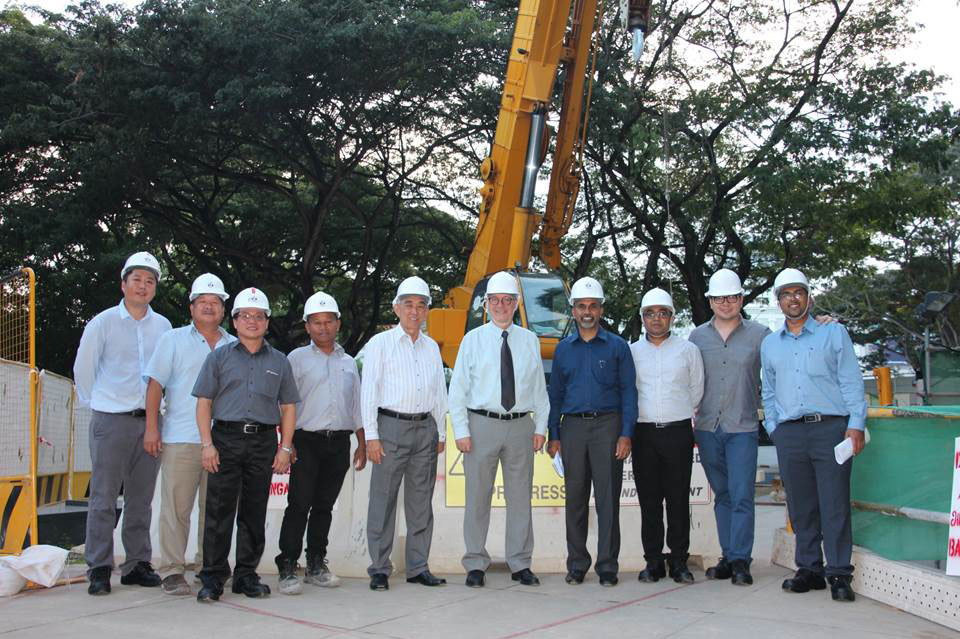
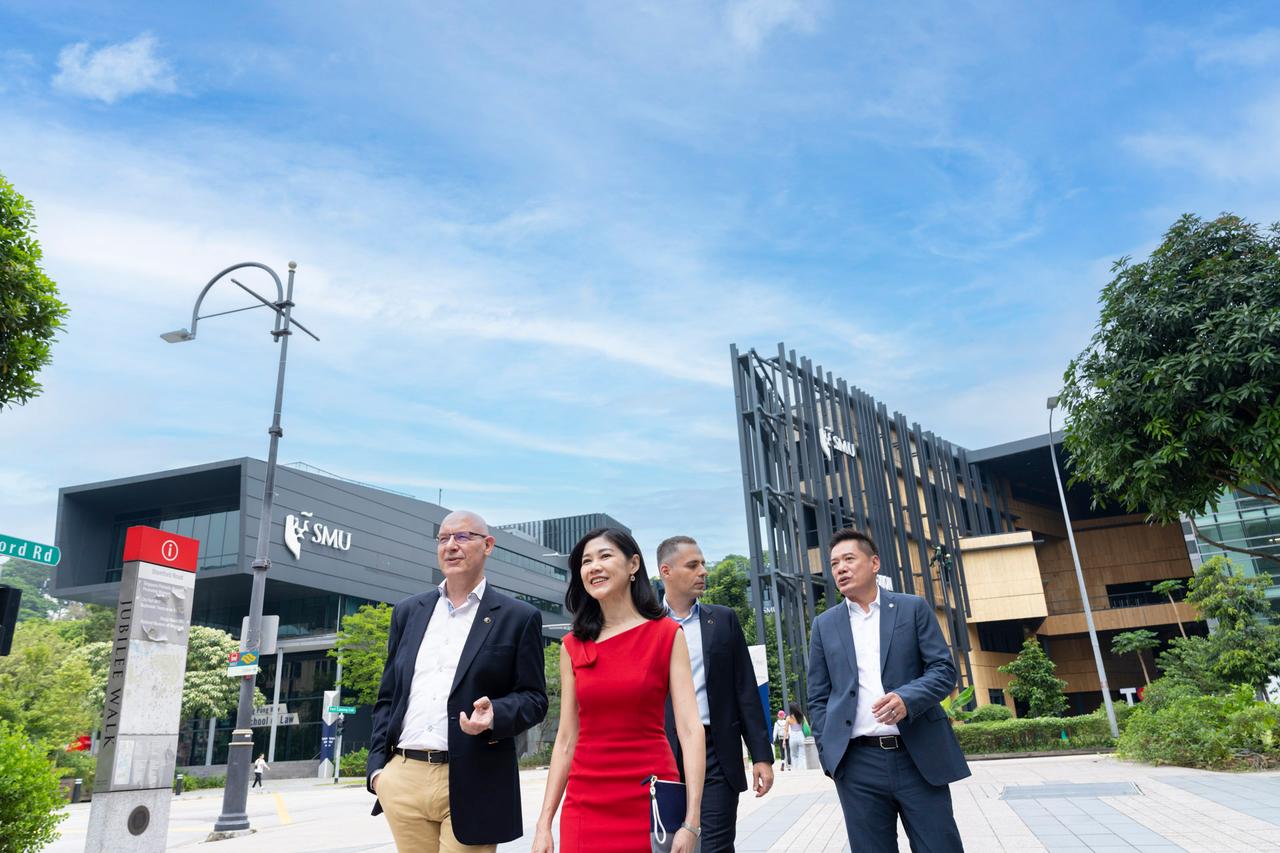
Campus Green site walk with - SMU President, Vice President, OCD Director, Assistant Director, Architect and Contractor's team
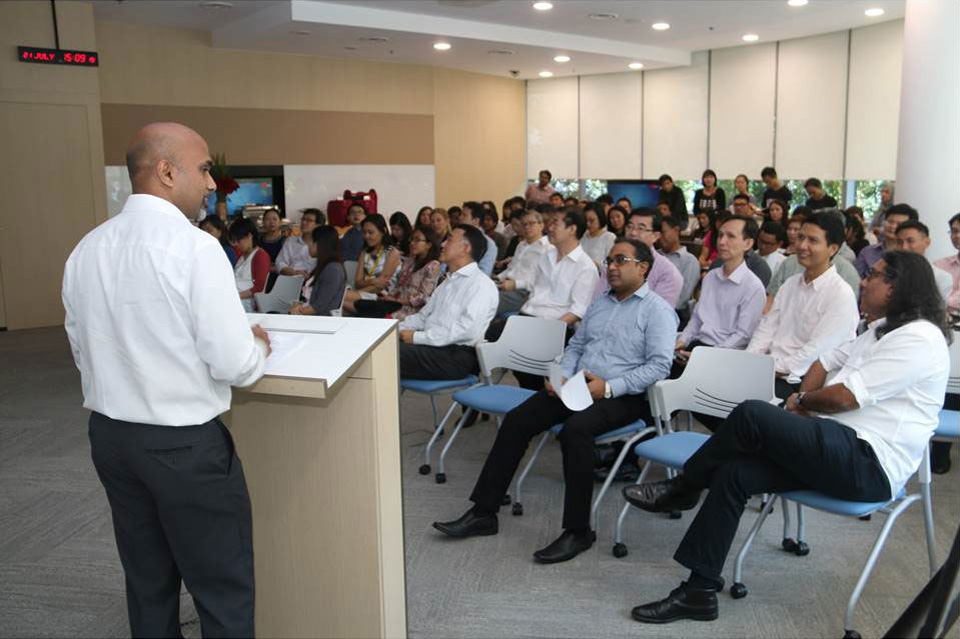
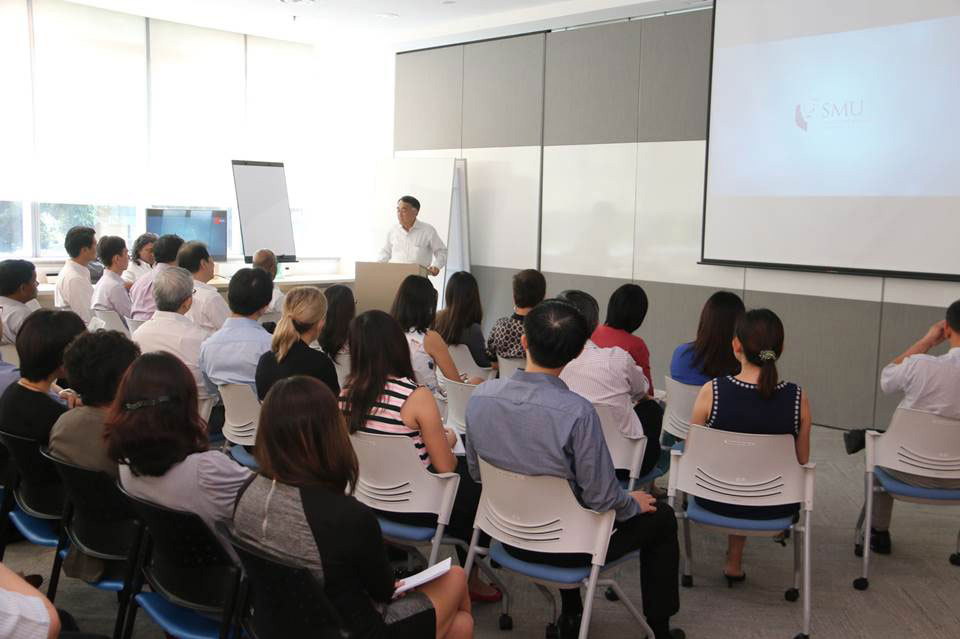


Singapore Management University (SMU) broke ground on its new School of Law building on 20 January 2014. The new building will be a distinctive landmark that will contain state-of-the-art facilities used both to enrich the learning experience of SMU law students as well as involve others within the legal fraternity who are important stakeholders of the University.


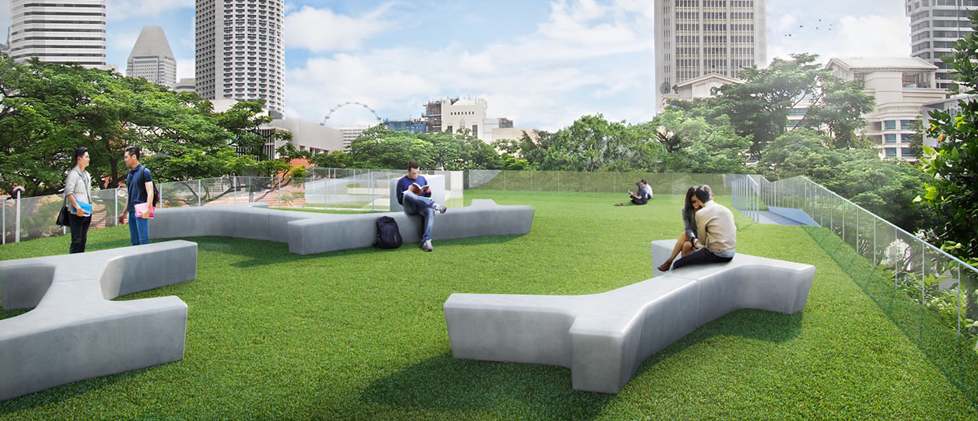
Standing at the junction of Armenian Street and Canning Rise, the new 23,000-square-metre building - about the size of 52 basketball courts – will be ready by 2017. A key feature of the new building is the Kwa Geok Choo Law Library, named in memory of the late Madam Kwa Geok Choo, wife of former Prime Minister Lee Kuan Yew. The 2,200-square-metre Law Library will be fully equipped with modern technology wired for legal research in the 21st century. Also housed within the new building will be the David Marshall Moot Court, the SMU Pro Bono Centre, and other research centres.

The new School of Law building will nurture a greater sense of belonging and identity.
"Future generations of students of the SMU School of Law will have classes in this new building. Books will be read; friendships will be forged; eminent lawyers and leaders of the legal profession will be born. If, and when they look back on this day, they might wonder how the law school ever functioned without its own building."
(The Honourable Attorney-General Mr Steven Chong, S.C., who was the Guest of Honour at the ground-breaking ceremony held on 20 January 2014.)

The new building will foster closer ties among students, alumni and the law fraternity.
"SMU city campus already enjoys close proximity with the law courts, being less than a kilometre from the Supreme Court. We are also near the offices of many of our partners in the legal fraternity. The new building, with its inclusive facilities, will further promote these links and engagement as it will provide an ideal location for students, alumni and the fraternity to meet and interact… The project team and architects have also done a good job in incorporating design elements that will bring students and faculty closer to the lush nature that embraces the new building. These sustainable and inclusive design elements are an extension of the current SMU campus design, and stand true to the essence of SMU being both a global city university and integral part of the local environment and community."

The new building will inspire the next generation of lawyers.
"We believe that the new School of Law building must have the power to inspire. In fact, the Kwa Geok Choo Law Library will be the inspirational heart of the School of Law. The library is strategically placed at the high point of the site next to Stamford Green and is expressed architecturally as a sculptural form to represent an ‘inspirational beacon’ that seeks to illuminate the lives of SMU’s law students. It will be symbolic of a ‘moral compass’ to remind students of the importance of dignity, truth and justice in society."
(Dean of SMU School of Law, Professor Yeo Tiong Min)
The SMU School of Law, which proudly welcomed its first cohort of 116 students in August 2007, now takes in about 180 students per year. The School will see its 10th intake of students and seventh batch of alumni in 2017, the year in which the new building is slated for completion.
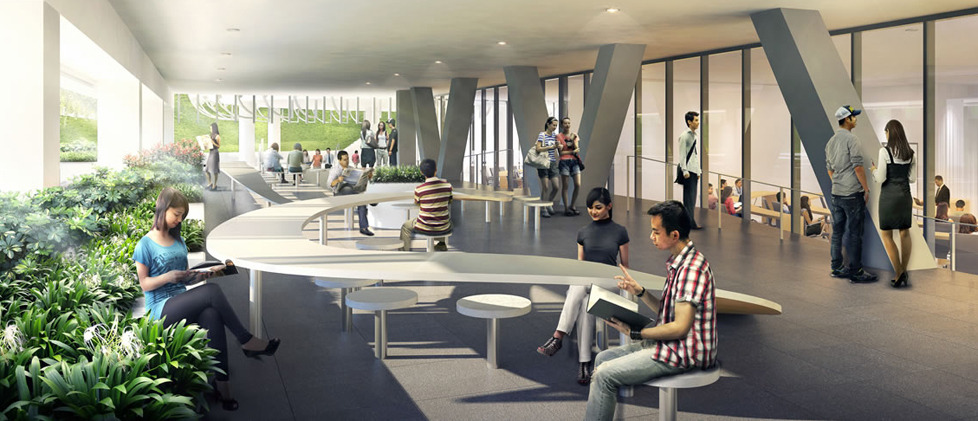
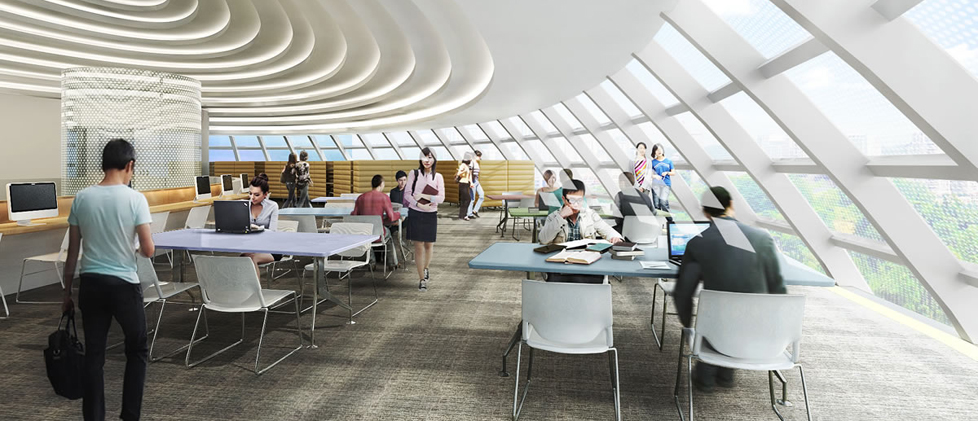
The Kwa Geok Choo Law Library is named in memory of the late Madam Kwa Geok Choo, wife of former Prime Minister Lee Kuan Yew.
The 2,600-square-metre Law Library will have seating capacity for over 500 users, and will be fully equipped with modern technology and wired for legal research in the 21st century.
The Law Library will be a rich depository of knowledge resource and will provide comprehensive collection coverage to support the teaching and legal research needs of the SMU School of Law. It has the capacity to hold 50,000 print volumes. It will focus on developing several special collections on topics such as Commercial Law, Dispute Resolution and Islamic Law.
The Kwa Geok Choo Law Library and the Li Ka-Shing Library will together provide access to over 90,000 electronic resources, including e-books, e-journals and databases, catering for multidisciplinary research and interests. The two libraries will also provide seamless access to information services and resources to the entire SMU community.


[Photos: Members of the SMU Board of Trustees and SMU Senior Management were taken on a site tour of the building, following the topping-out ceremony.]


School of Law (Aerial view)

School of Law (Aerial view)

School of Law

School of Law
(View from Stamford Green)

Kwa Geok Choo Law Library
(view from Stamford Green)

Kwa Geok Choo Law Library
(view from Stamford Green)


Group Study Room, Level 3

David Marshall Moot Court, Level 1

David Marshall Moot Court, Level 1

David Marshall Moot Court, Level 1

David Marshall Moot Court, Level 1

SMU Hall, Basement 1

SMU Hall, Basement 1

SMU Hall, Basement 1

100 Seater Seminar Room, Basement 1

Meeting Room, Research Centre, Basement 2


Date: 8 September 2017
Addressed by: SMU President, Professor Arnoud De Meyer


Date: 6 October 2017
Guest-of-Honor:
Mr Chan Sek Keong, former Chief Justice and current Senior Judge at the Singapore Supreme Court
Mr Tan Chong Huat, RHT Rajan Menon Foundation Chairman


Date: 6 October 2017
Guest-of-Honor: Dr. Vivian Balakrishnan
The search for a permanent SMU campus began in 1998, to replace the temporary campus located at Bukit Timah.
As a management university, SMU needed a central location. Planners turned their focus to the Bras Basah area in the Central Business District, to leverage the synergy between SMU and Singapore's business community.
The district also has historical precedence – it was home to key educational institutions for over 150 years.
SMU's campus development in the heart of Singapore aligned with the government's commitment to business and education, and the Urban Redevelopment Authority's vision to develop the Bras Basah district.
On 5 December 1998, the government made a public announcement on the campus location. By June 2000, six architectural firms were shortlisted for the SMU Urban and Architectural Design Competition. Recognising the importance of involving the public in campus design in a central location, SMU held an exhibition of the shortlisted submissions to solicit feedback from the public.

The designers and builders of the campus faced some specific challenges. A primary one was that for the first time in Singapore, a building was being built right on top of the underground railway line - the existing North-South line and the new Circle Line (completed in 2010).
Architects also had to grapple with other extraneous factors, hurdles and restrictions in this area. They include construction of a road tunnel at Fort Canning, the realignment of Stamford Road and the existence of buried fibre-optic cables laid by telecommunications companies. There was even accommodation for an archaeological survey of the Bras Basah site to be carried out.
Alongside these considerations, there was immense effort to preserve the existing landscape and long-standing, mature trees.In an unprecedented tree-transplanting exercise, several mature trees in Bras Basah Park were uprooted and replanted, while other trees were conserved in their original location.
One noteworthy conservation effort was the transplanting of a 70-year old, full-canopy 21-metre rain tree, with a crown 25 metres in diameter and weighing more than 37 tonnes. The contractors also took special care with a venerable bodhi tree, a highly sensitive plant and a species particularly significant in Hindu and Buddhist cultures.
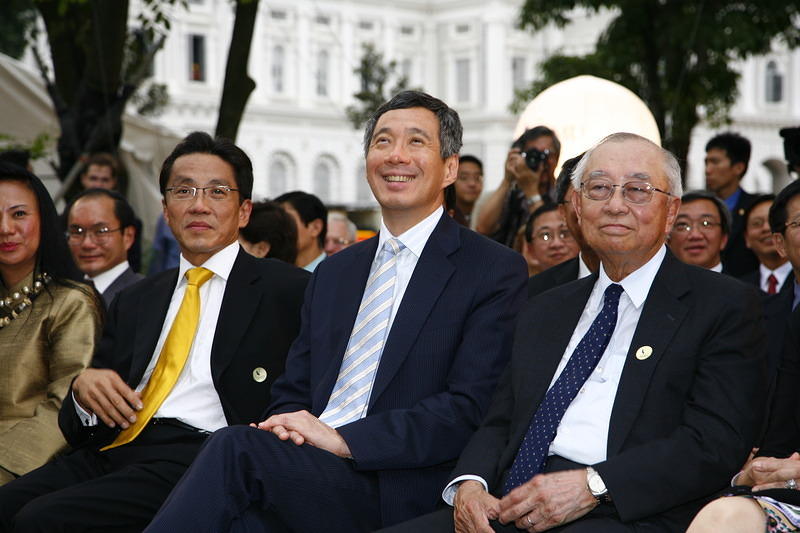
Singapore Prime Minister Lee Hsien Loong (Centre), with SMU Executive Chairman Mr Ho Kwon Ping (Left) and Dr Richard Hu, then SMU Chancellor (Right)
On 31 July 2005, the university symbolically moved into its new home, in time to start off the 2005/6 academic year. Prime Minister Lee Hsien Loong officially opened SMU's new and permanent campus on 20 January 2006.
In 2015, SMU began a two-year development project to transform the landscape of the Civic District. With a vision to bring back the buzz and revive the ‘Bras Basah spirit’ through the SMU Campus Green, the project showcases the talent and vibrancy of the SMU campus and Singapore’s youth, to engage with the community.


Key features added to the SMU city campus include new seminar rooms; group study spaces; a centralised Co-Curricular Activities (CCA) space; an expanded, three-storey Fitness Centre; an outdoor jogging track on campus grounds, and a new amphitheatre on Campus Green that is a focal point of student and community-engagement activities.
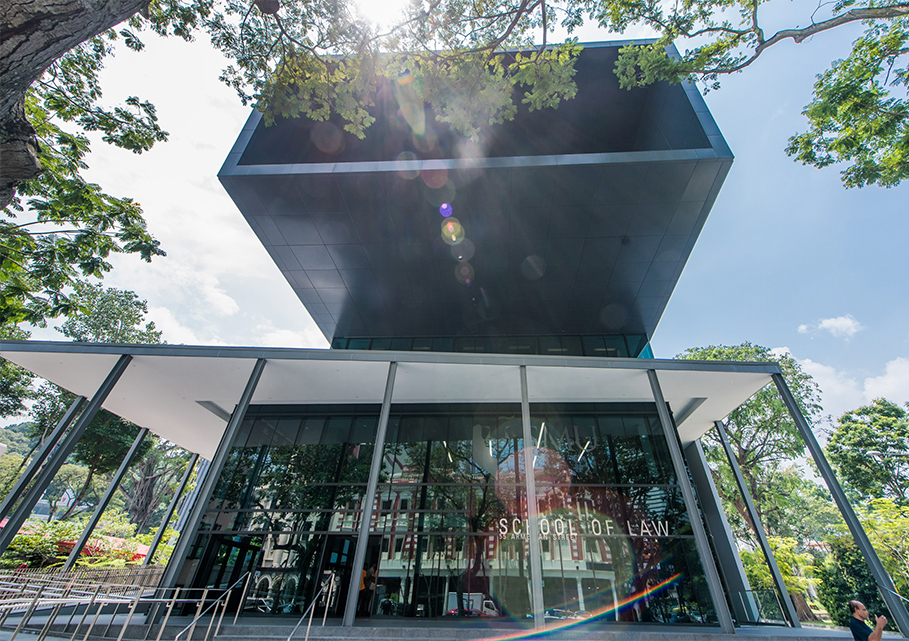
The School of Law facade
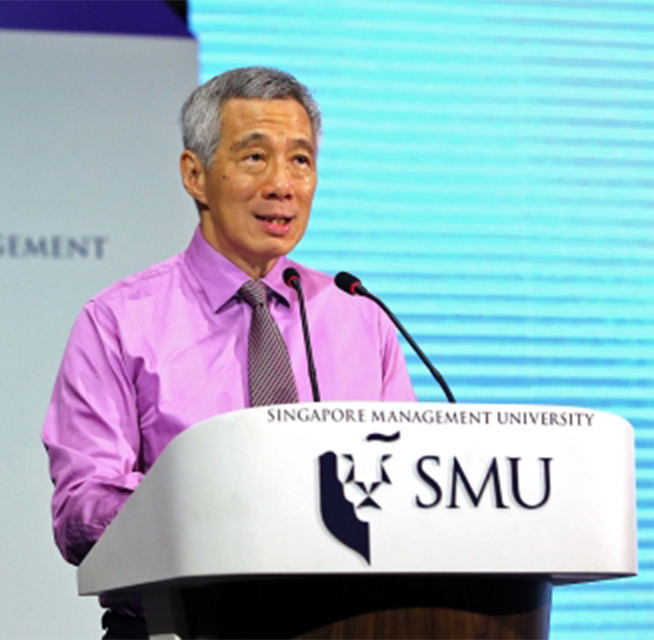
Singapore Prime Minister Lee Hsien Loong
In 2017, the new SMU School of Law building was launched, located at the open space between Armenian Street and Canning Rise. A key feature of new building is the Kwa Geok Choo Law Library, named in memory of the late Madam Kwa Geok Choo, wife of former Prime Minister Lee Kuan Yew. The Law Building also houses the David Marshall Moot Court, the SMU Pro Bono Centre and other research centres.
At the start of the academic year 2018/2019, SMU will introduce a new residential learning-and-living concept at its existing student residence – Prinsep Street Residences (PSR). At PSR, SMU aims to build a community for the Community, where students co-live, work and learn together, and are also nurtured to be change agents by giving back to the Bras Basah community.
SMU also plans to build a new SMU-X building to replace the building currently leased on Stamford Road.
The new building will utilise state-of-the-art technology in design and construction and potentially be the first zero-emission building in central Singapore.