





Synopsis
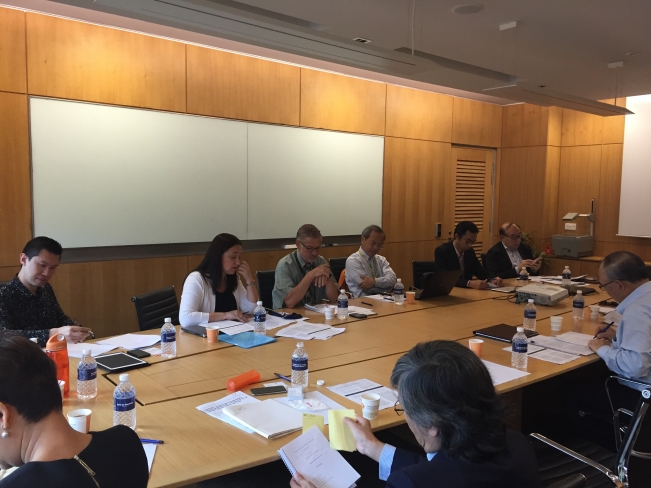
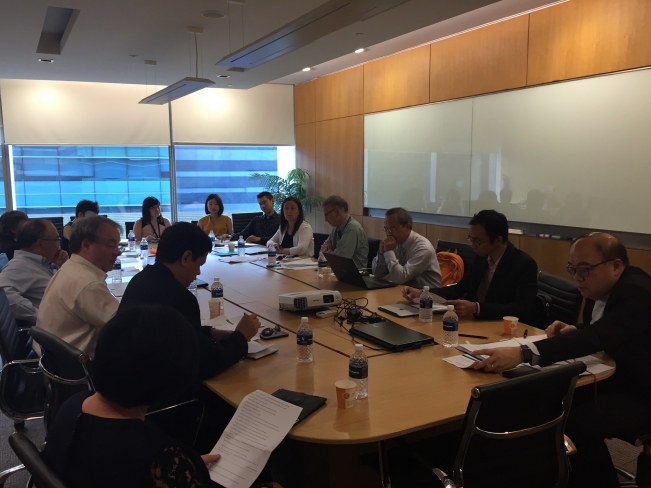
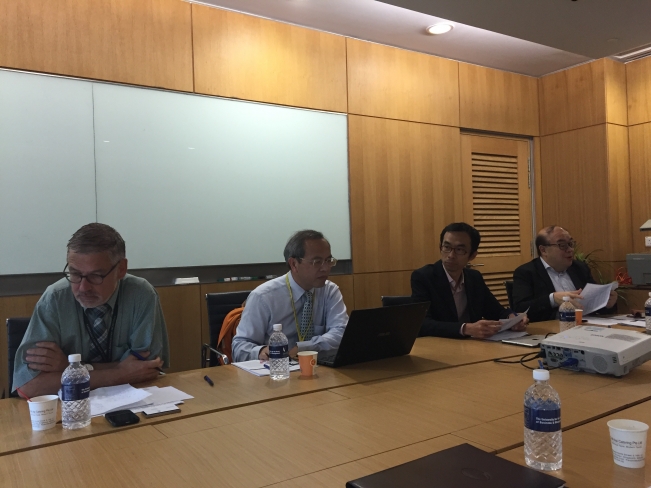
This Roundtable will discuss the Max-Planck Declaration on a Balanced Interpretation of the “Three-Step Test” in Copyright Law (the Declaration) and the effects since its signing in 2008. Certainly, the Declaration has become an established component in the debate over balancing interests in copyright law. Yet, the impact of the Declaration in practice has proven to be limited, at least so far, with respect to promoting the adoption of copyright exceptions and limitations – apart from the achievement of conclusion by the World Intellectual Property Organization (WIPO) of the Marrakesh Treaty to Facilitate Access to Published Works for Persons Who Are Blind, Visually Impaired or Otherwise Print Disabled in 2013.
In light of this, participants in the Roundtable will explore the following questions. Are we in need of further steps related to the Declaration, and more generally on the limitations and exceptions to be adopted within the framework of a balanced copyright law? In this respect, should the International community consider adopting a comprehensive international treaty on mandatory exceptions and limitations? Yet, could such treaty become in itself an impediment to a larger scope for copyright limitations and exceptions in the future? In other words, would an approach based on mandatory statutory limitations, similar to a system based on the traditional “fair dealing” approach allowing certain uses of copyright protected works from the outset, be a non-desirable way forward? Or instead, should a system of limitations and exceptions for the copyright law in the XXI century be based on a higher degree of flexibility as provided, for example, by the approach based on the copyright “fair use” model? Moreover, should the discussion on limitations and exceptions be focused on achieving more flexibility with a view to facilitate independent intermediaries developing new business models rather than, or in addition to, focusing on consumers?
The Max-Plank Declaration on a Balanced Interpretation of the “Three-Step Test” in Copyright Law is available here
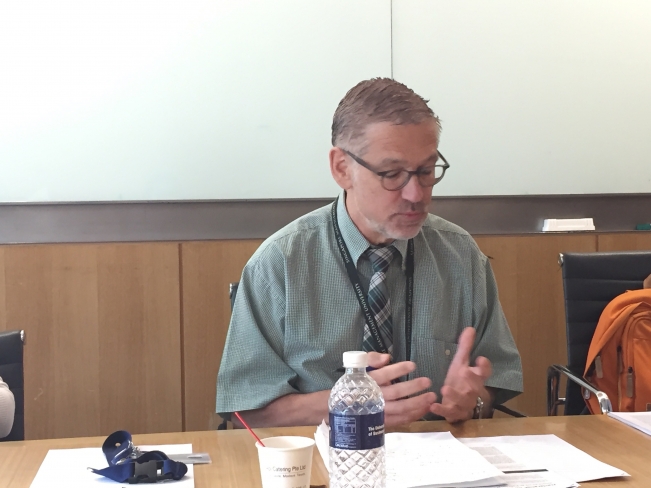
Confirmed Roundtable Participants (in alphabetical order by family name)
Irene Calboli, Deputy Director, Applied Research Centre for Intellectual Assets and the Law in Asia
Candra N. Darusman, Deputy Director, WIPO - Singapore Office
Chen Yuanyuan, Assistant Professor, School of Computing, National University of Singapore
Chung Siqi, Legal Counsel, Legal Department, Intellectual Property Office of Singapore
Bryan Ghows, Director, Via Law Corporation
Reto Hilty, Director, Max Planck Institute for Innovation and Competition
Alban Kang, Partner, Bird & Bird ATMD
Stanley Lai S.C., Partner, Allen & Gledhill LLP
Yanbing Li, Research Fellow, Applied Research Centre for Intellectual Assets and the Law in Asia
Liu Kung-Chung, External Director, Applied Research Centre for Intellectual Assets and the Law in Asia
David Llewelyn, Deputy Dean, SMU School of Law
Ng-Loy Wee Loon, Professor, Faculty of Law, National University of Singapore
Shaun Ng, Senior Executive (Copyright, Enforcement & International Affairs), Intellectual Property Policy Division, Ministry of Law
Lili Soh, Senior Assistant Director (Intellectual Property Policy Division), Ministry of Law
Simon Seow, Director, Intellectual Property Policy Division, Ministry of Law of Singapore
Tan Tee Jim S.C., Senior Partner, Head of Intellectual Property, Lee & Lee
David Tan, Associate Professor and Vice Dean (Academic Affairs), Faculty of Law, National University of Singapore
Manda Tay, Senior Assistant Director, Strategic Planning and Policy Department, Intellectual Property Office of Singapore
Daren Tang, Chief Executive, Intellectual Property Office of Singapore
Additional participants will join the Rountable and will be listed shortly.
This event is by invitation only. If you are interested to attend, please email us at arciala [at] smu.edu.sg and we will notify you if seats are available.


Last updated on 14 Mar 2016 .
