What does sustainable development look like beyond the skyscrapers and city centres of modern China?
For a group of 20 SMU students, the answer lay in Yuchi Village, a rural community nestled in the hills of Chongqing. As part of Associate Professor Forrest Zhang's SMU-X Overseas course, SOCG312 Overseas Project Experience (Applied Sociology in Asia), students embarked on an immersive field study that brought sociology, sustainability, and community development to life.
The course challenged students to move beyond textbooks and engage directly with real-world social issues. Through a partnership with Yuchi Village and Southwest University, students examined the complex realities of rural revitalisation, exploring how communities can build sustainable futures amidst changing economic, social, and environmental conditions.
Yuchi Village serves as a living laboratory for rural development. Supported by researchers from Southwest University, the village has undertaken initiatives in community rejuvenation, sustainable agriculture, eco-tourism, and environmental sustainability. Yet like many rural communities across Asia, it continues to grapple with ageing populations, economic transitions, and the challenge of building long-term resilience.
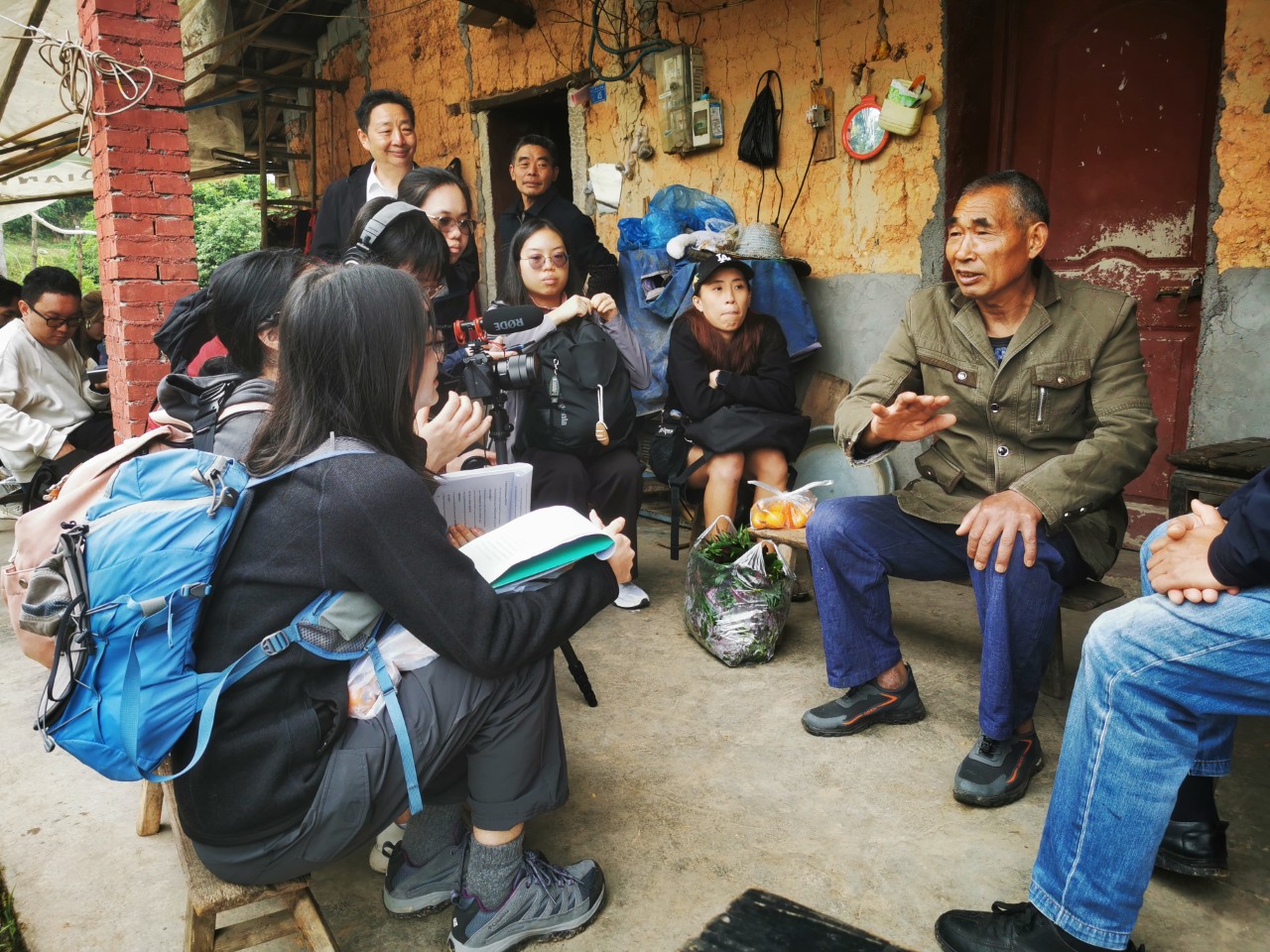
Working alongside local stakeholders and Southwest University students, SMU teams investigated a range of pressing issues. These included enhancing elderly wellbeing and community participation, developing financially viable agri-food systems, strengthening eco-tourism and rural–urban linkages, and encouraging more sustainable lifestyles and environmental practices. Through interviews, observations, and field research, students sought to understand the lived realities behind these challenges and develop practical recommendations for the community.
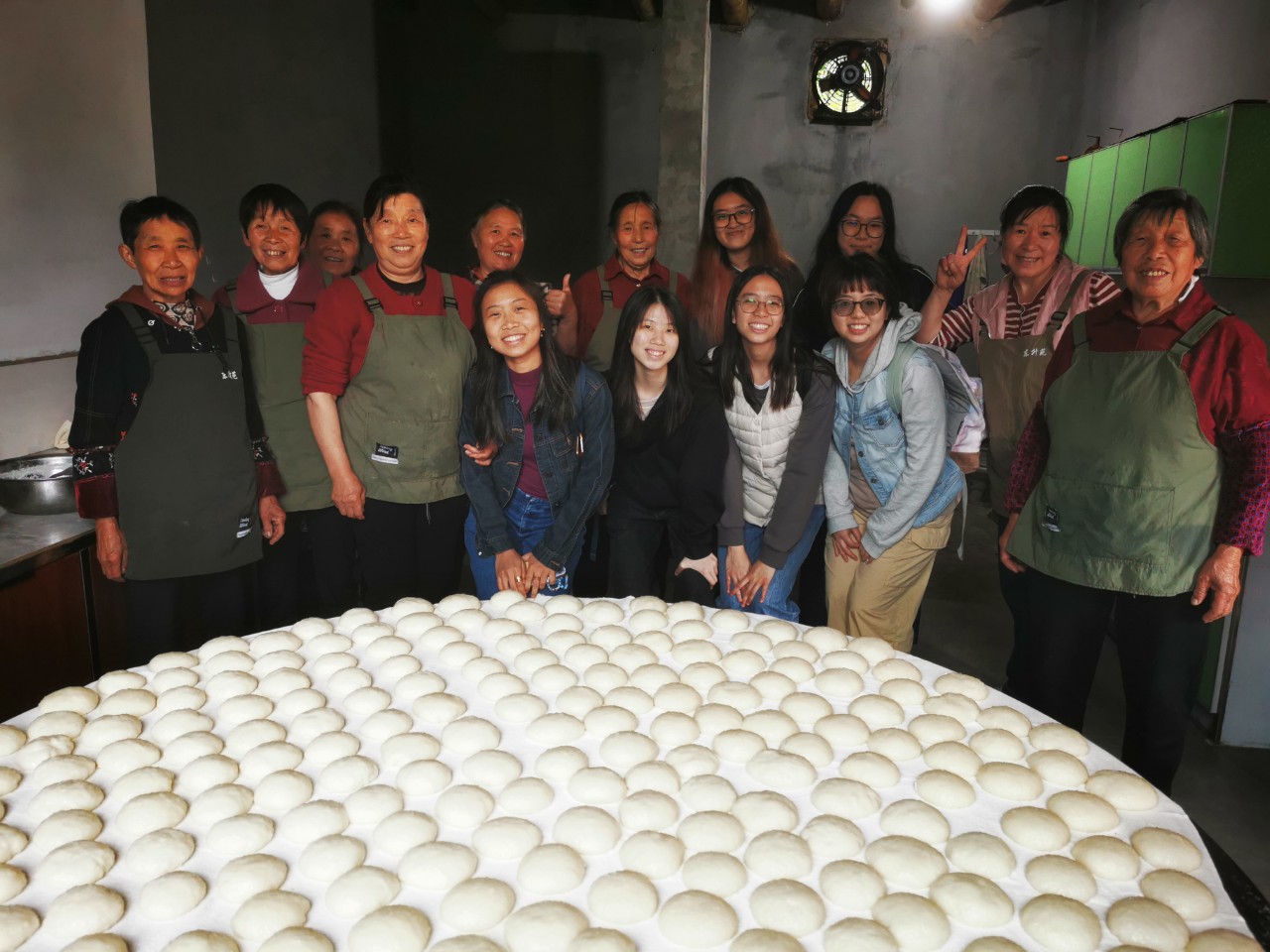
The experience extended far beyond project work. Students lived in village homestays, participated in community activities, shared meals with residents, and navigated unfamiliar cultural and linguistic environments. Many found themselves stepping outside their comfort zones as they adapted to rustic living conditions, engaged with villagers speaking the Chongqing dialect, and learned to communicate across language barriers.
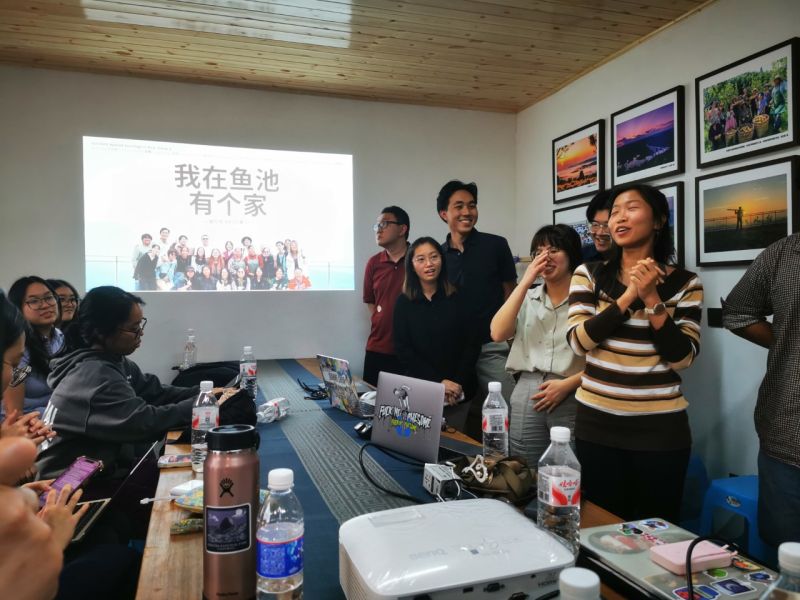
One of the most memorable moments came at the end of the programme when student teams delivered their final presentations in Mandarin to Southwest University faculty members and the village committee. Despite varying levels of Chinese proficiency, the students rose to the occasion, presenting their findings and recommendations with confidence and professionalism. Their efforts were warmly received by the hosts, who appreciated the students' commitment to understanding local issues and contributing fresh perspectives.
For Associate Professor Forrest Zhang, the course reflects the essence of experiential learning. By connecting sociological theories with real-world challenges, students gain a deeper appreciation of how social structures, institutions, culture, and policy intersect in shaping communities. At the same time, they develop critical skills in research, communication, problem-solving, and intercultural collaboration.
Perhaps most importantly, the experience encouraged students to see development through a different lens. Beyond economic growth, they witnessed the importance of community, culture, sustainability, and human relationships in shaping the future of rural societies.
In Yuchi Village, sociology moved beyond the classroom. It became a conversation with villagers, a walk through agricultural fields, a shared meal around a village table, and a collective effort to imagine a more sustainable future.