Name of activity/programme/experience
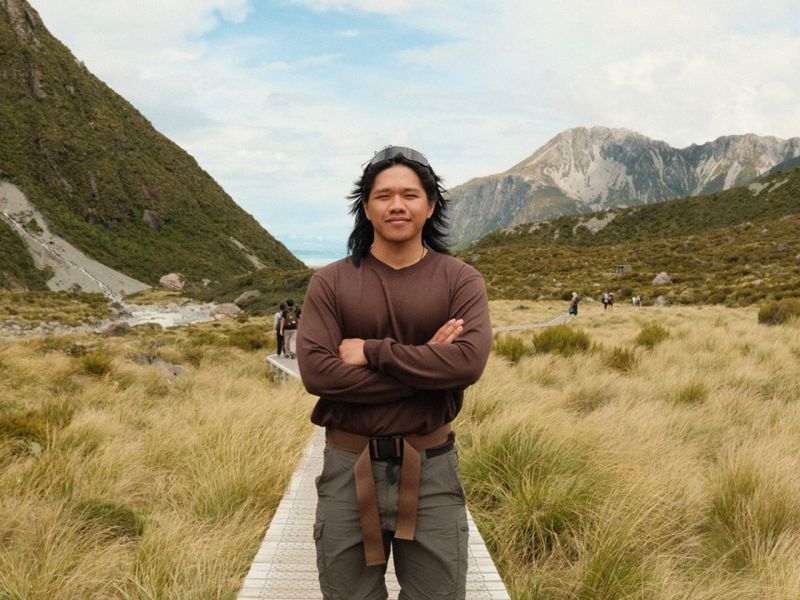
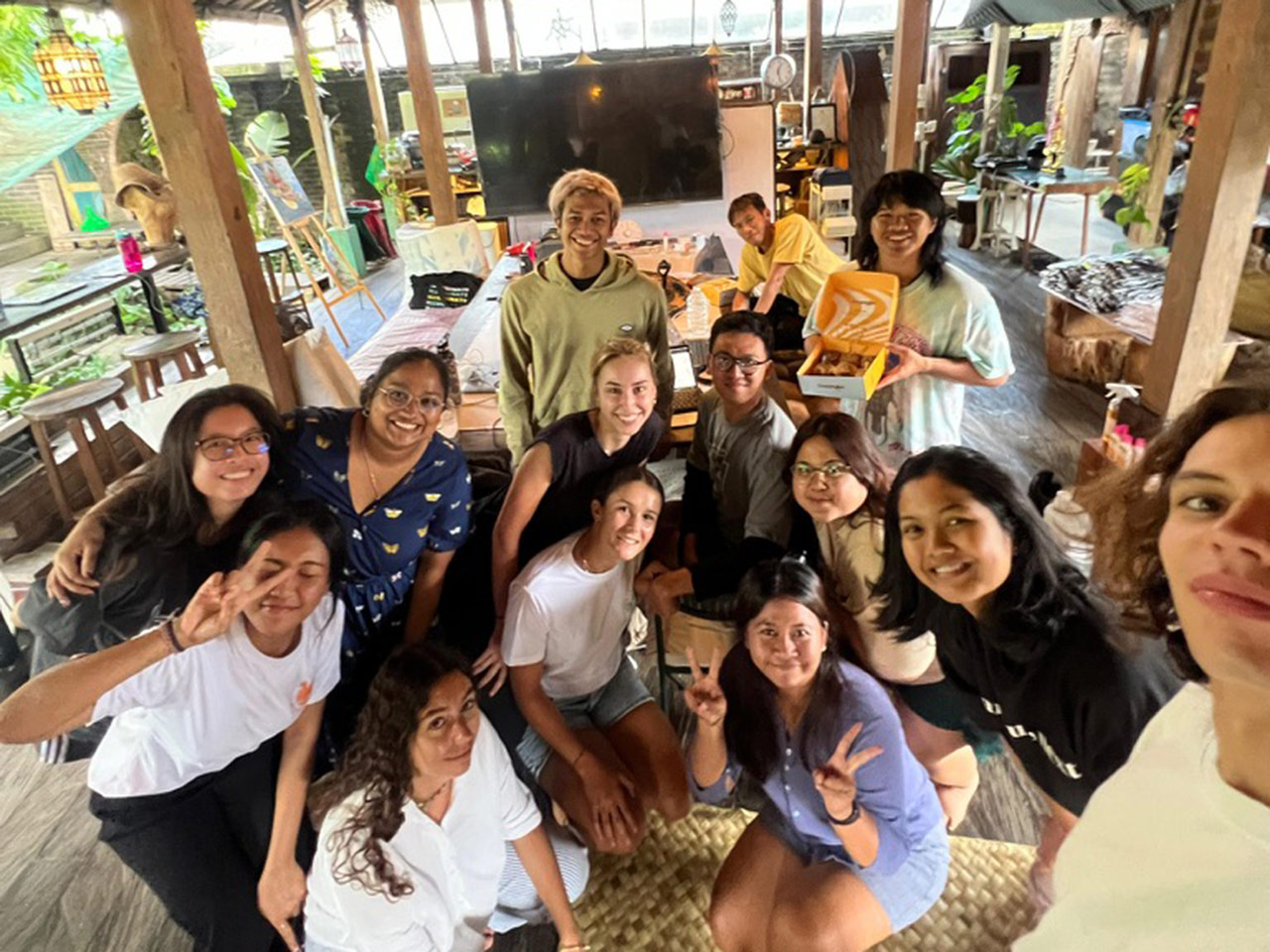
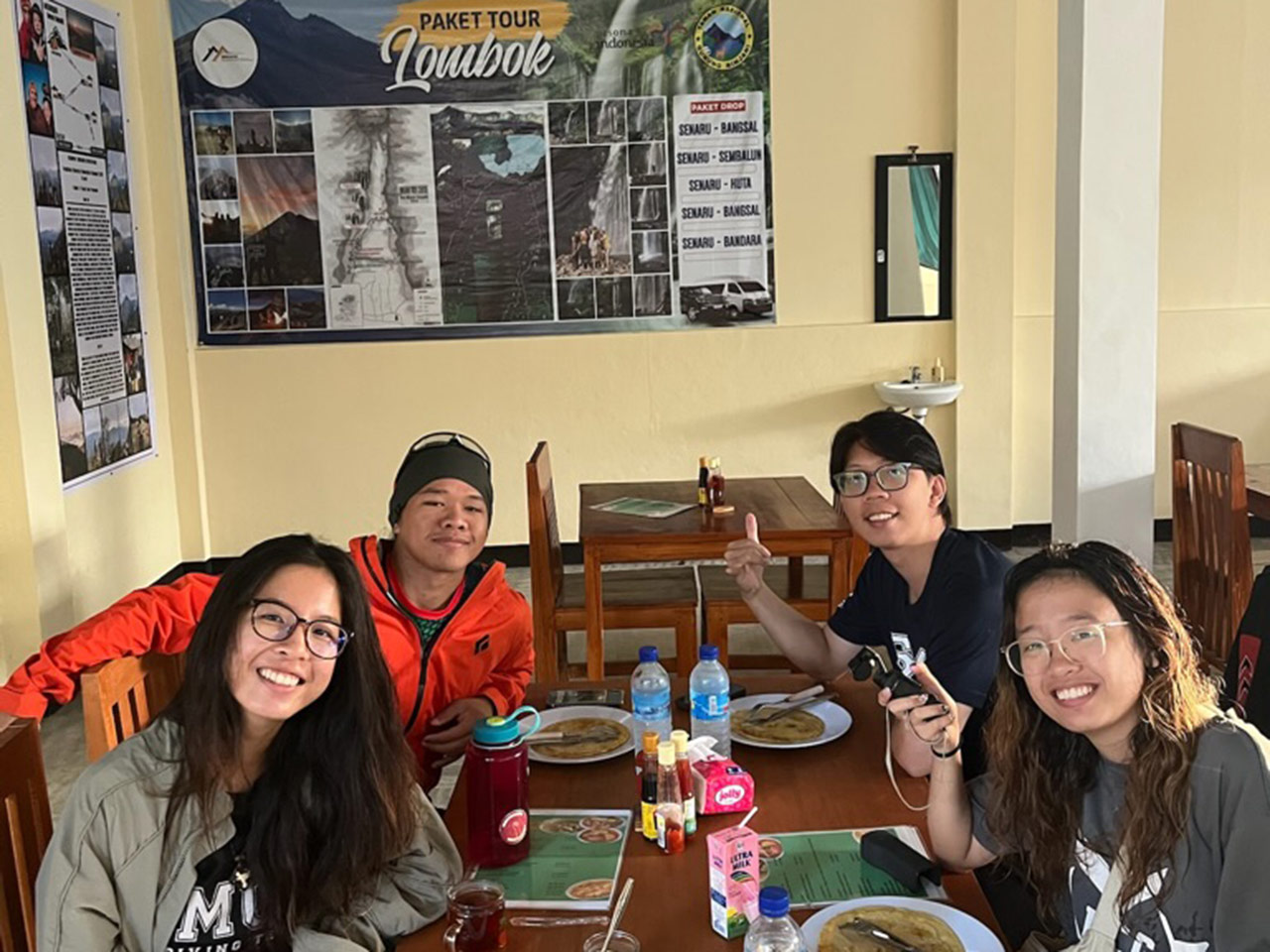
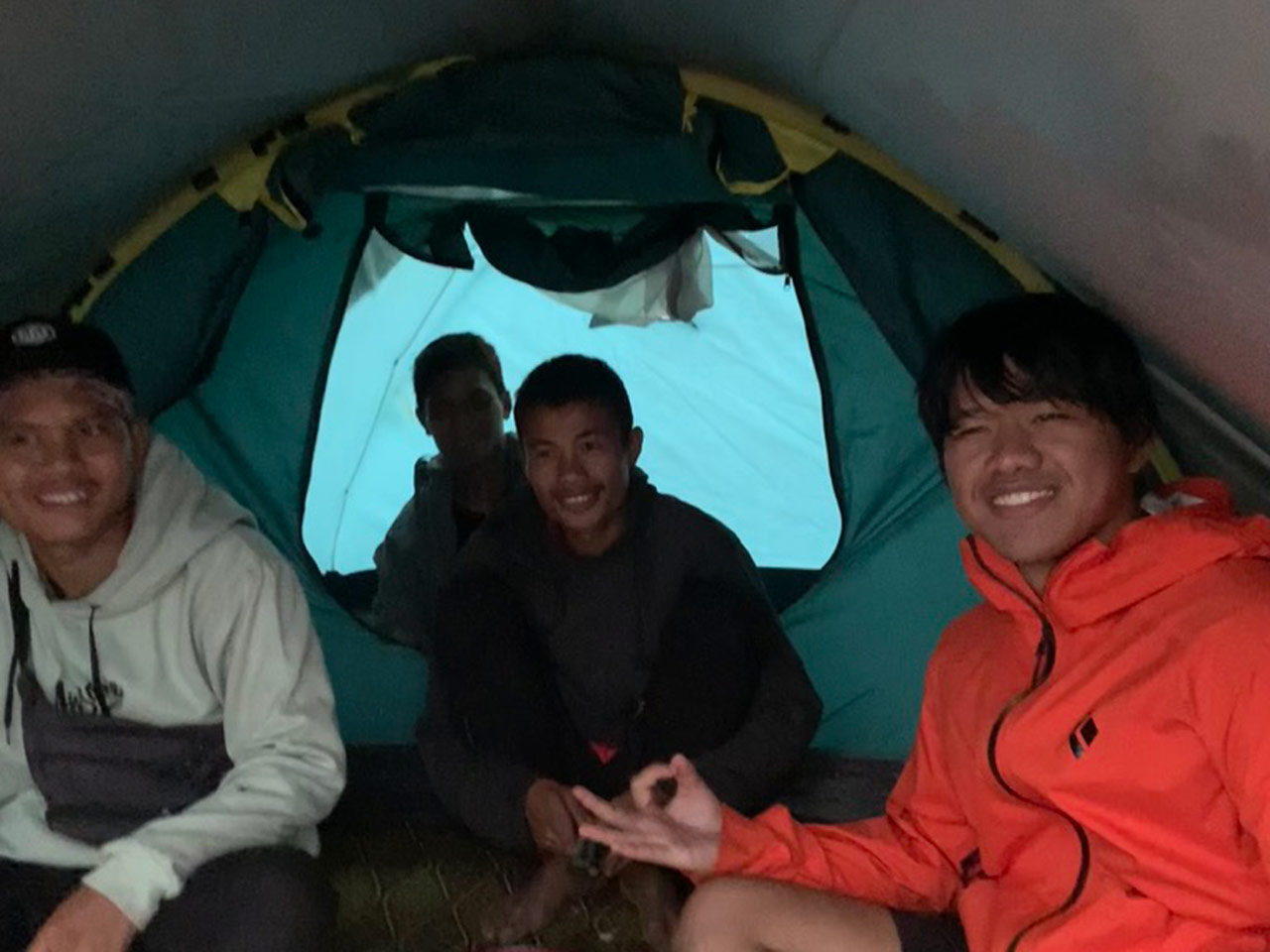
ASEAN Internship Programme (AIP), FAUZAN AZIEM BIN MOHAMMAD EFFENDI interned for three months at PT. Sustainability and Resilience (Su-re.co ) as a Think-research programme intern in Bali, Indonesia
What motivated you to participate in this programme/activity?
The first time I heard about the AIP programme, I was intrigued right away. Working overseas has always been a lifelong goal of mine. I am curious to my core. Having lived my entire life in Singapore, I had always wondered how people live across different parts of the world. I have been fortunate enough to travel abroad, but often found myself wondering: what lies beneath the surface, beyond the layers of my tourist eyes? What would I see once the rose-tinted glasses came off?
Admittedly, three months is not a long time, but my time here has taught me far more about Bali than what is shown in curated Instagram posts and viral TikTok videos.
Before this, I had never been to Bali. Yet something about the surfing culture and laidback atmosphere drew me in. I chose this opportunity not because it was in Bali, but because the company’s mission and culture resonated with my personal values. That said, the island’s lifestyle naturally aligned with my personality and from everything I had heard, Bali seemed like a place I would connect with. And I did.
Please describe your overall experience.
I was both excited and nervous as I began this new chapter. It felt like I was leaving behind an old version of myself to start a completely different life, like jumping into a black hole with no idea of what lay ahead. I had imagined the work culture to be laidback, but I quickly discovered it was anything but. As a small, impact-driven company, su-re.co has a surprisingly high workload and a strict sense of time management.
Living independently has been incredibly refreshing. It’s my first time living abroad on my own, and it truly felt like freedom: the ability to do whatever I wanted, whenever I wanted.
Even though I have travelled across Malaysia and parts of Indonesia, I still experienced a degree of culture shock in my first few weeks. I think this feeling is unique to Bali and does not necessarily reflect the rest of Indonesia. On my third day, I wrote in my notes:
“Gentrified third-world island. It is rather strange that the infrastructure is so poor, the roads are chaotic, yet there’s a certain organized mess to it all. There are high-end restaurants and clubs next to a $2 a-meal-Warung. The contrast between the lives of locals and the tourists who capitalise on the island is stark. The root cause seems to be overtourism. There simply isn’t enough infrastructure to support the island’s development. With tourism contributing around 80% of Bali’s economy and about 85% of that controlled by non-Balinese investors, the profits mostly flow out of the country, while locals are left with low- to mid-income jobs. It feels like modern day colonisation.”
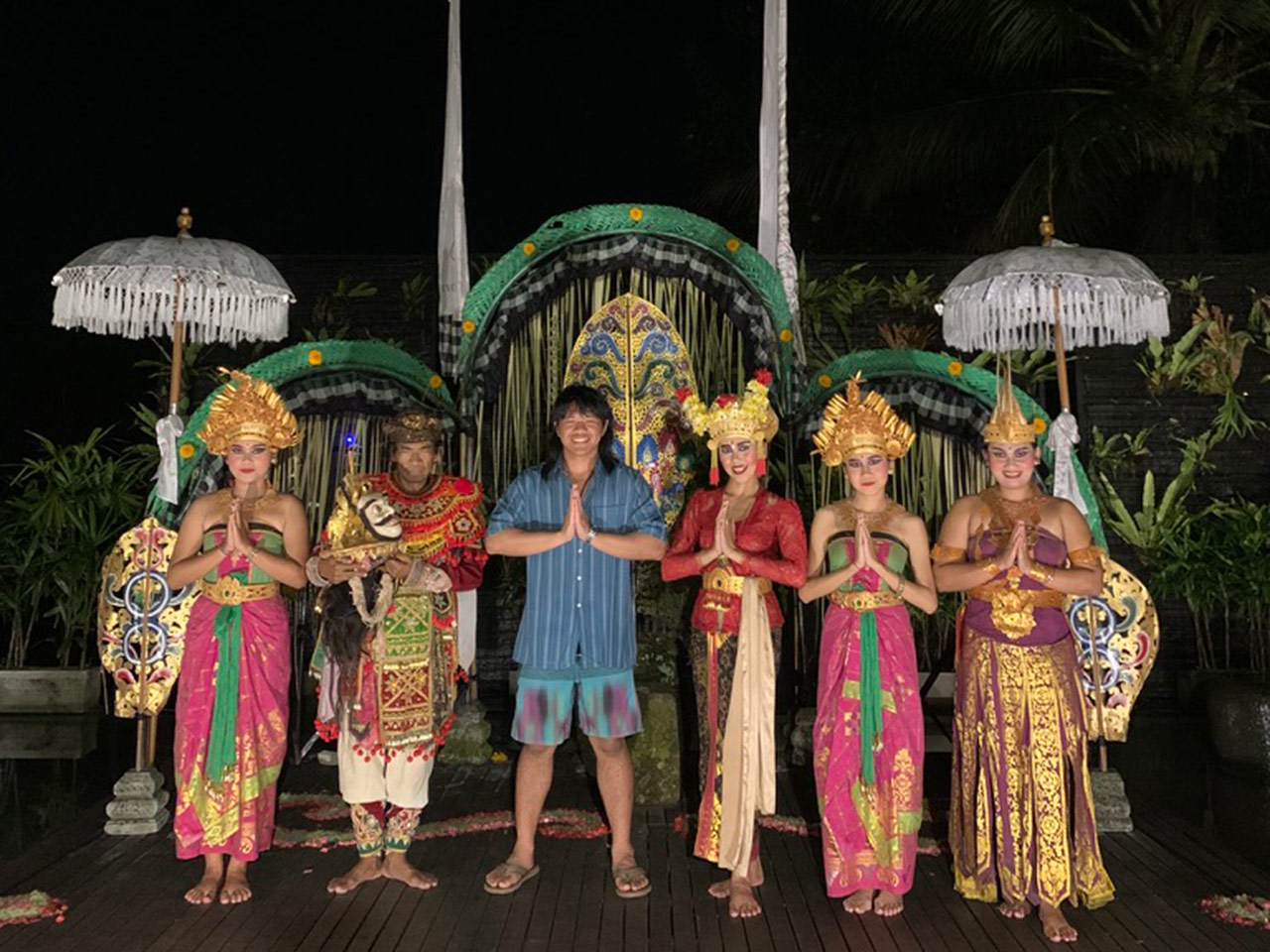
Despite my initial pessimism, as I explored more of Bali and its surrounding islands, I began to understand the island’s undeniable charm. The quieter, less-developed parts have a mysterious pull – swaying trees, dramatic cliffs, the salty breeze, and the rhythmic crash of waves. Most captivating of all is Bali’s unique expression of Hinduism and its vibrant local culture.
I found that some of the most genuine experiences came through conversations with Grab drivers. They became my guides to hidden local gems, authentic food spots, cheap drinks, and non-touristy places. They were the gateway to many of my best adventures, memorable meals, and spontaneous boozy nights.
I will admit, I expected things to be much more relaxed. But in reality, I’ve done more meaningful work here than in most of my previous internships back in Singapore. In a smaller organization, there’s greater ownership over projects and that means I actually contribute in a tangible way. At times it is hectic and challenging but deeply rewarding.
In what ways did this experience add value to your SMU education and/or professional development?
I have learned so much during my time here, both professionally and personally. Frankly, I have gained a far deeper understanding of sustainability. I’ve come to see the real, often overlooked challenges of pushing sustainability forward in a developing country.
Surprisingly, I also became quite proficient in Excel. Big data is everywhere in this field. In theory, sustainability should be simple: use fewer fossil fuels, reduce carbon emissions, protect the planet.
One moment made me realise that I was overly optimistic, even naïve. We were preparing a proposal for a grant from a European organization to scale up our biogas generators. I suggested, “Why don’t we scale it at the community level? Everyone contributes to the biogas and the generator powers the whole village.” It seemed logical to me. But my colleague replied, “They’ll fight amongst themselves. One family gives more and demands more. Another gives nothing and still uses it.” Social realities make implementation far more complex.
In another project, farmers were given cows and biogas digesters to turn manure into energy. The farmers sold the cows, and the digesters now sit rusting in their backyards.
In practice, sustainability is complicated. Now, I understand the deeper, messier realities. There are nine setbacks for every one win. But every win makes the ten attempts worth it.
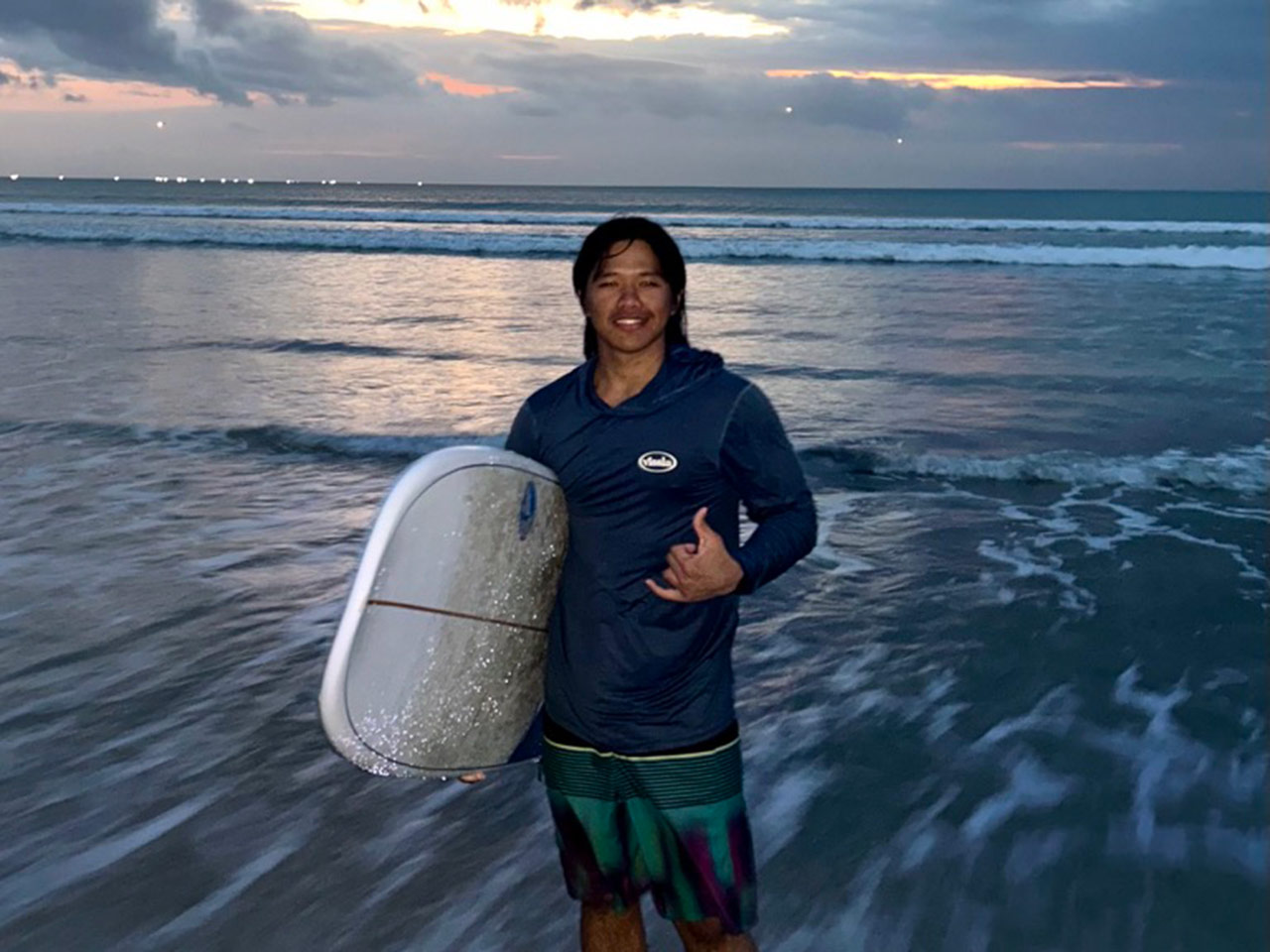
This experience has only deepened my passion for sustainability. I surf whenever I can, it is my way of reconnecting with myself and nature. Every wave reminds me why protecting our Earth matters. I come to work every day with a sense of purpose. I enjoy what I do, even if it means spending hours wrangling excel spreadsheets. In the end, every little piece contributes to something bigger: a positive, meaningful impact on the world.
Why Asia? What advice would you give to juniors or fellow students who are considering a similar experience?
I chose Asia because of its energy and the growing opportunities. It also helps that the food is amazing and the people are kind. Particularly within SEA, the region is growing rapidly, and this growth brings opportunities. Being here allows you to be part of that transformation firsthand.
Have an open mind, be intentional and curious. The world is so vast and diverse, get out of your comfort zone. Speak to strangers, do that class, try that dish.