Project Description
- Project name: Smile Manila 14
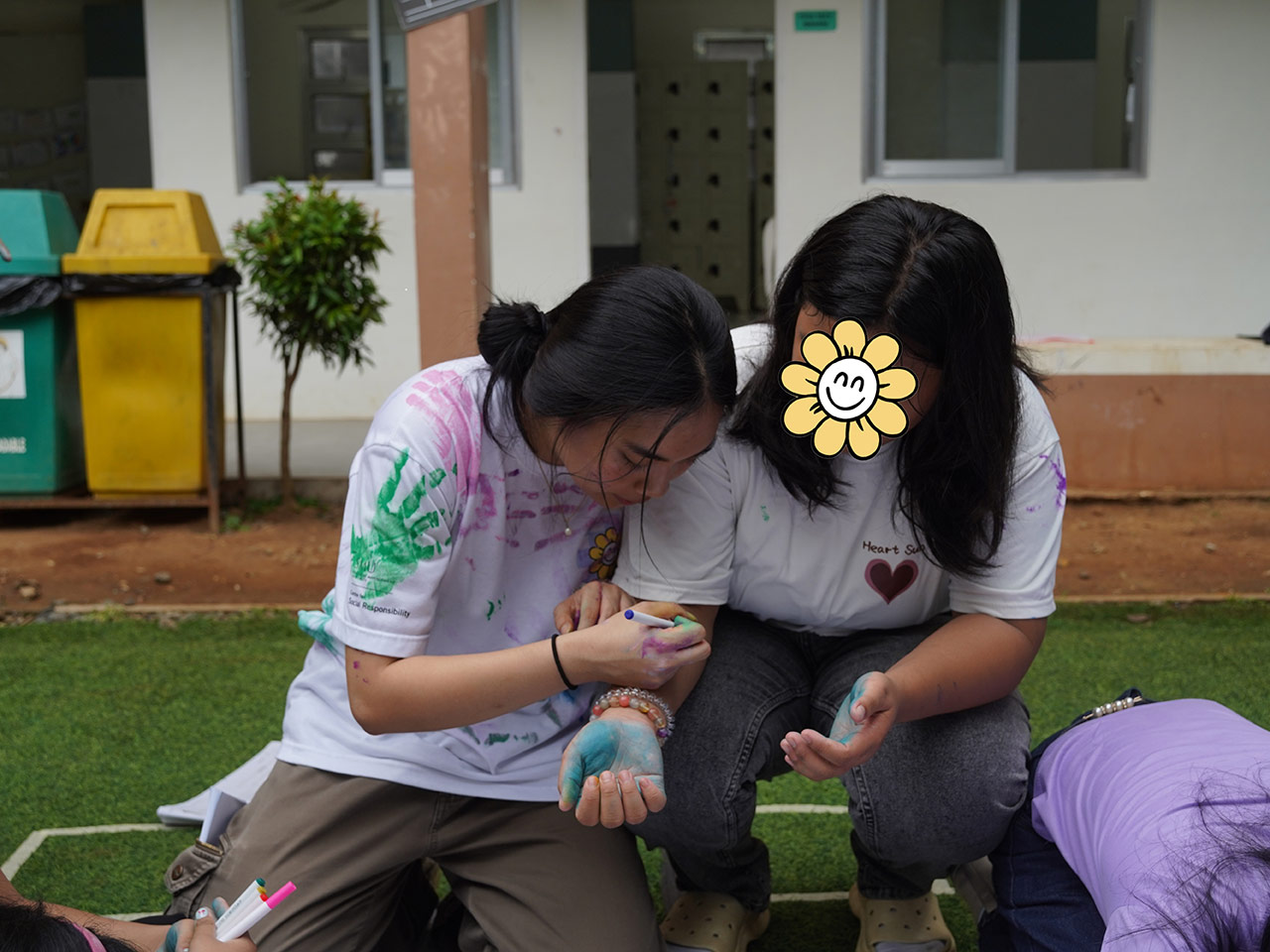
Project Smile Manila partners with CRIBS Foundation, a non-profit organisation that rehabilitates young girls who have experienced abuse under their New Beginnings Program. The project aims to help these girls reclaim their childhood through friendship-building games, arts and crafts, health and wellness activities, and educational elements.
What motivated you to participate in this project?
I was drawn to the idea of joining a project that supports children, because I believe every child deserves to feel loved and to have equal opportunities regardless of their background. When I learnt more about Project Smile Manila and its work with CRIBS Foundation, its mission deeply resonated with me. The project focuses on empowering girls by helping them recognise their individual strengths and embrace their unique worth.
As someone who is passionate about women’s rights, I felt a strong sense of responsibility and conviction. The opportunity to be part of a project that directly supports young girls in rebuilding confidence and self-belief was something I knew I wanted to commit to.
Please describe your overall experience.
My time in Manila was both deeply memorable and profoundly human. I entered the project thinking that we were there to teach the girls. Very quickly, I realised how much I had to learn from them instead.
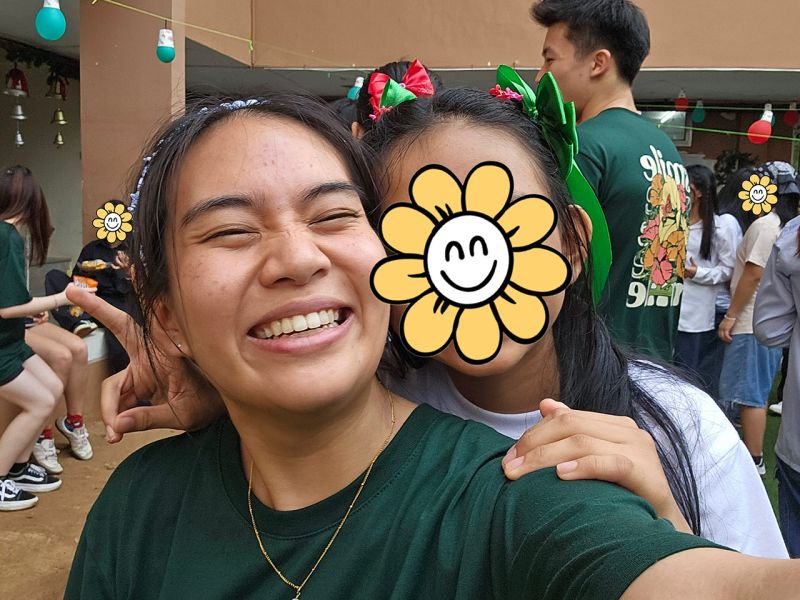
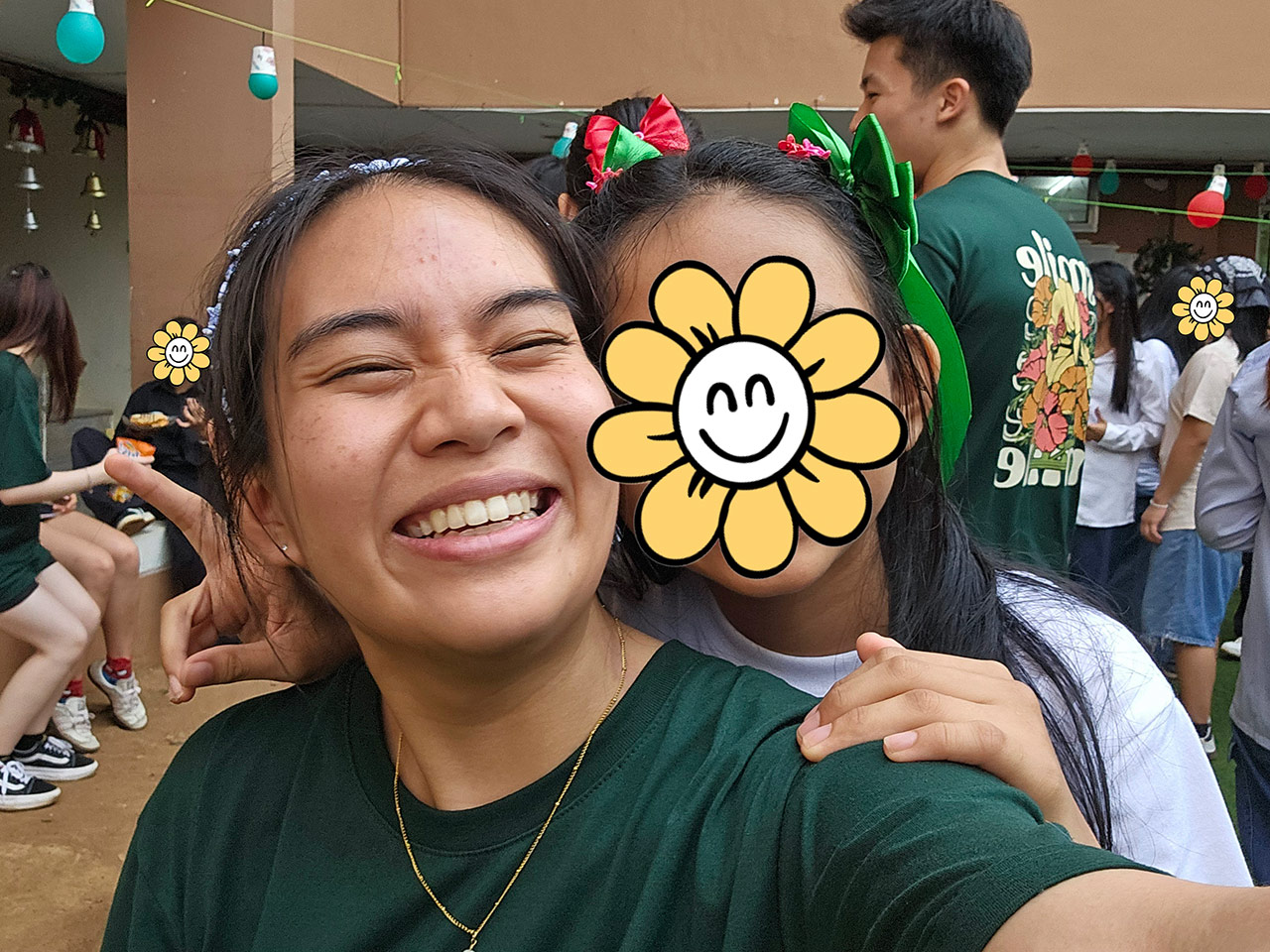
Despite the challenges they have faced, the girls consistently showed warmth, generosity and resilience. Whether through small handmade gifts, bright smiles, or simply saying “we love you,” they reminded me what unconditional love feels like.
Over time, I came to understand that Project Smile Manila is not only about empowerment programmes or skill-building workshops. While those are important, the heart of the project lies in building genuine human connection. The activities we planned became bridges — helping us overcome language barriers and initial awkwardness, and allowing us to form meaningful bonds.
By the end of the two weeks, we were no longer just volunteers and beneficiaries. The girls called us “Ate” (sister) and “Kuya” (brother), and those titles carried deep emotional meaning. It reminded me that family can be formed through shared care and trust, not only through blood ties. I hope that, in those moments, we were able to be a source of encouragement and support — just as they were for us.
Saying goodbye was incredibly difficult. The tears we shed reflected the depth of the connection we had built.
That experience reminded me that impact is not always measured in what we teach, but in the relationships we build. Sometimes, simply showing up consistently with care and respect can mean more than we realise.
In what ways did this experience add value to your SMU education and/or professional development?
This experience reshaped how I think about my future.
Before Project Smile Manila, I was primarily focused on securing a stable and well-paying job. While I always knew I wanted to help people, I had narrowly associated that with careers in healthcare. Through this project, I discovered that social impact can take many forms.
It inspired me to explore the social service and legal sectors more seriously, particularly in areas related to gender-based violence and women’s rights. As a result, I pursued a second major in Integrative Studies, specialising in Law and Gender-Based Violence Prevention. The project did not just give me memories — it gave me direction.
Why Asia? What advice would you give to juniors or fellow students considering a similar experience?
Being part of ASEAN has made me more aware of the importance of understanding the realities faced by our neighbouring countries. Living in Singapore comes with advantages that can be easy to take for granted. Experiences like this broaden our perspective beyond our immediate environment.
At the same time, it is important to approach such projects with humility. We are not entering as “saviours,” but as partners in learning. Meaningful engagement happens when we see one another as equals and remain open to growth ourselves.
My advice to juniors would be to join a cause you genuinely care about. Go in with sincerity, not just to fulfil CSP requirements, but with a willingness to listen, learn and connect. When you approach the experience with that mindset, it has the potential to transform you in ways you do not expect.