According to the Institute of Service Excellence at SMU (ISES), visitors to Singapore were far less satisfied with its food and tourism offerings in 2014 than they were a year earlier.
The latest Customer Satisfaction Index of Singapore, jointly developed by the ISE at SMU and the Singapore Workforce Development Agency, shows a 6.5 per cent fall in the food & beverage sector's score.
In a forum response to the letter by Director of the ISE at SMU Caroline Lim (“Poor service? Blame the management”, Dec 24), Judy Lim Sok Cheng said that while management has to bear a large part of the blame for poorly trained staff, customers should also shoulder part of the responsibility.
In results released on Tuesday November 25 November by the Institute of Service Excellence at SMU (ISES), customer satisfaction for the F&B sector fell 6.5% to 65.8 points (on a 0 to 100 scale). The Tourism sector also registered a similarly significant decline in customer satisfaction, falling 7.3% to 69.1 points
According to the 2014 third quarter Customer Satisfaction Index of Singapore compiled by the Institute of Service Excellence at SMU (ISES), tourist satisfaction levels have fallen sharply for the food and beverage (F&B) and tourism sectors.
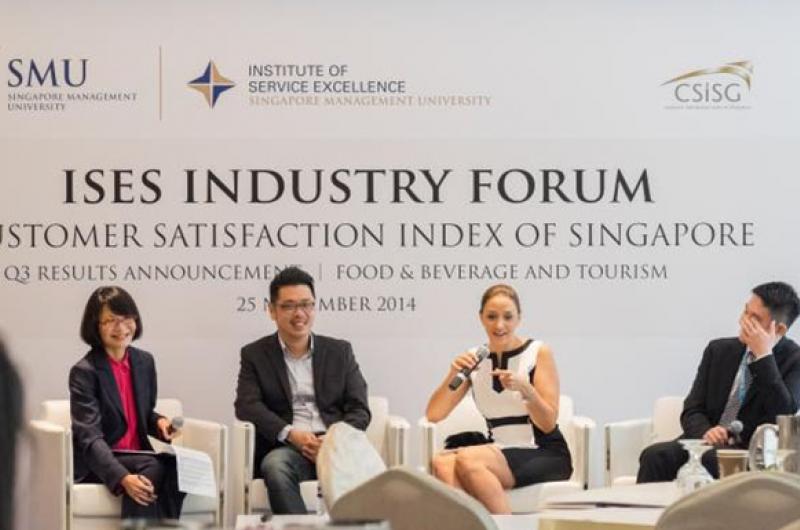
The mood was subdued when the results for the 2014 third quarter (Q3) Customer Satisfaction Index of Singapore (CSISG) for the Food & Beverage (F&B) and Tourism sectors was released by the Institute of Service Excellence at SMU (ISES) on Tuesday 25th November.
The Institute of Service Excellence at SMU (ISES) released its 2014 third quarter Customer Satisfaction Index of Singapore (CSISG) results for the F&B and tourism sector today.
According to the findings from the Customer Satisfaction Index of Singapore compiled by the Institute of Service Excellence at SMU (ISES), customer satisfaction for the food and beverage (F&B) and tourism sectors here took a plunge this year.
The Customer Satisfaction Index of Singapore conducted by the Institute of Service Excellence at SMU showed an upward trend for the F&B sector since 2007.
SMU Associate Professor of Operations Management Lim Yun Fong was of the opinion that apps could be used “to meet the individual demands of customers”.
A panel discussion addressing the challenges of maintaining and increasing customer satisfaction, as well as the increasing importance of innovation in meeting rising customer expectations was conducted at the Institute of Service Excellence (ISES) industry forum and Customer Satisfaction Index of Singapore 2014 Q2 results announcement earlier this month.
In order to keep up with student demands, private education institutions in Singapore will need to go beyond engaging students and delivering relevant courses.
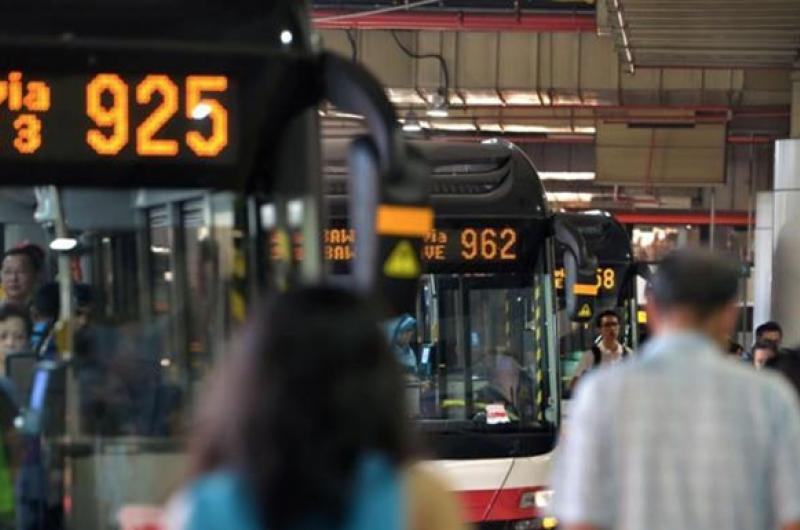
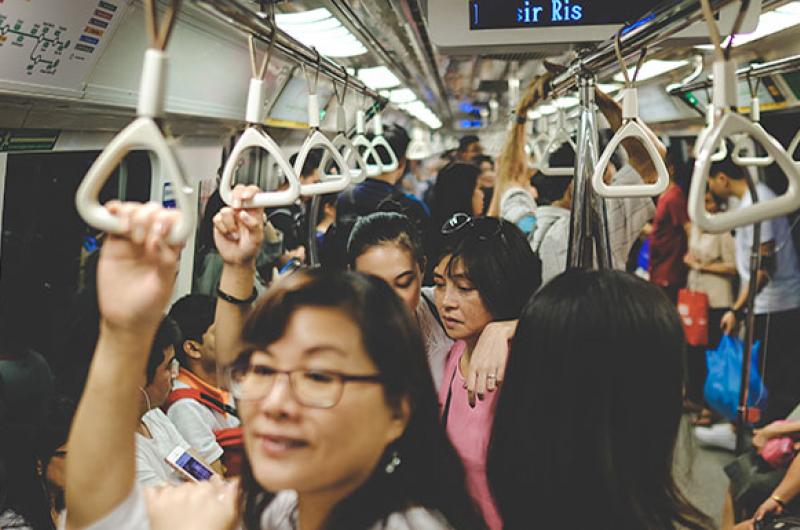
According to the recent Customer Satisfaction Index of Singapore survey conducted by the Institute of Service Excellence at SMU (ISES), public transport operators should not assume that commuters with no complaints are satisfied.
SMU Associate Professor of Operations Management Lim Yun Fong said that to raise service quality, companies should diversify and bring new services to consumers.
The Institute of Service Excellence at SMU released the 2014 second quarter Customer Satisfaction Index of Singapore results for the transport and logistics, public education, and private education sectors on Friday.
A survey of eight transport and logistics categories by the Institute of Service Excellence at SMU (ISES) has found that transport standards in Singapore have slipped in the eyes of commuters and travellers.
According to the Q2 Customer Satisfaction Index of Singapore released by the Institute of Service Excellence at SMU (ISES), customer satisfaction for the transport and logistics sector dipped from 72.7 points in the second quarter of 2013 to 72.1 this year.